Oktoberfest Music, Polka, and Culture: The German Sound of September
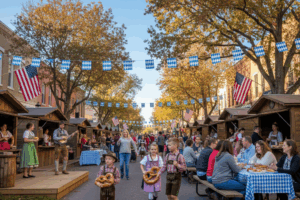
Oktoberfest celebrations are in full swing across the United States, with millions of Americans coming together to embrace the spirit of Bavarian culture. From New York City to San Francisco or Nashville, cities large and small are hosting elaborate Oktoberfest festivals, where beer tents brim with steins of Märzen, and crowds feast on bratwurst, schnitzel, and fresh-baked pretzels.

These events offer more than just food and drink — they create a festive atmosphere where people wear traditional dirndls and lederhosen, participate in stein-holding contests, and gather for ceremonial keg tappings to kick off the party. One of the largest and most iconic Oktoberfest celebrations in the U.S. takes place in Cincinnati, Ohio, where “Oktoberfest Zinzinnati” draws hundreds of thousands of attendees annually. This event transforms the heart of downtown into a vibrant Bavarian village, complete with sausage races, chicken dances, and a wide array of German and German-American culinary delights.

The celebration is a reflection of the city’s deep German roots, as Cincinnati was once home to one of the largest German-American populations in the country. This heritage lives on through traditions passed down from generation to generation.

Oktoberfest Across the USA

Across the nation, the sound of lively polka music and brass-filled Oompah bands fills the air, echoing through beer gardens and town squares alike. Musicians perform on outdoor stages while dancers in traditional attire whirl to the rhythms of folk tunes that have been staples of German culture for centuries. These musical traditions are a cornerstone of Oktoberfest, bridging the gap between generations and creating an atmosphere of joy and shared cultural appreciation that transcends language and background.

Oktoberfest has firmly cemented its place in the landscape of American cultural events, evolving beyond its Munich origins into a uniquely American tradition that celebrates German heritage while inviting everyone to join the fun. From the mountains of Colorado to the beaches of Florida, cities are adding their own local flair to the festivities — integrating regional foods, craft brews, and family-friendly entertainment. The result is a diverse and inclusive celebration that unites communities across the country in a joyful toast to good food, good company, and timeless tradition.

Key Takeaways

  • Oktoberfest is a significant cultural event celebrating German heritage.
  • Bavarian Oompah Bands are a staple of Oktoberfest celebrations.
  • Polka music plays a crucial role in traditional Oktoberfest festivities.
  • Oktoberfest has become a popular cultural event in the United States.
  • German Heritage USA organizations work to preserve and promote German cultural traditions.

The Origins and Evolution of Oktoberfest

Oktoberfest, one of the world’s most celebrated festivals, has its roots in a significant historical event. The origins of Oktoberfest are rooted in a royal wedding celebration that took place in 1810.

From Royal Wedding to Global Celebration

The first Oktoberfest was held on October 12, 1810, in Munich, Bavaria, to commemorate the marriage of Prince Ludwig and Princess Therese. The festivities were a grand success, featuring horse races, music, and dancing, setting the stage for an annual tradition.
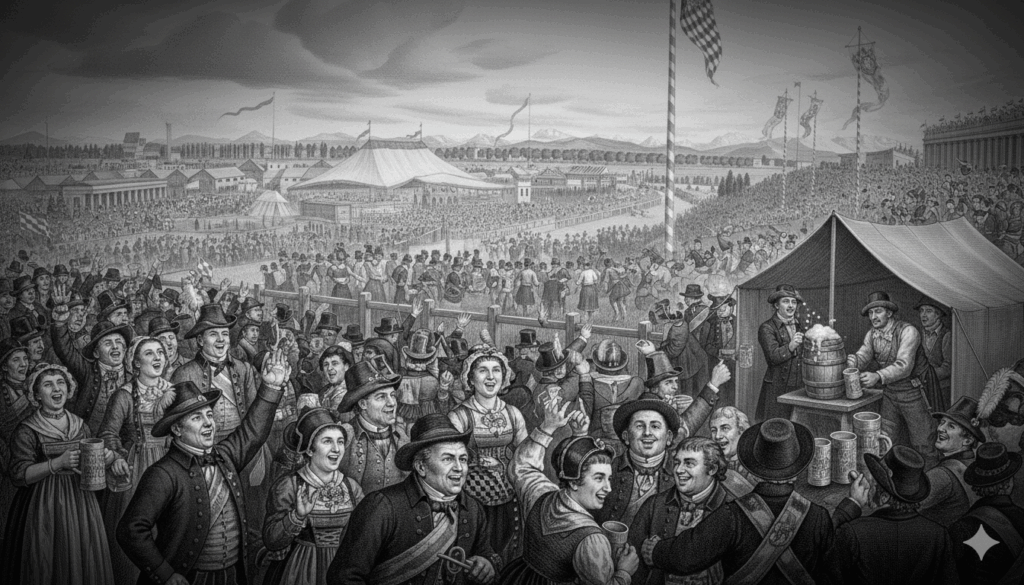
The First Oktoberfest in 1810

The initial celebration was a five-day event that concluded with a horse race. The success of this event led to its repetition the following year, establishing the foundation for what would become an enduring cultural tradition.

Evolution into a Cultural Phenomenon

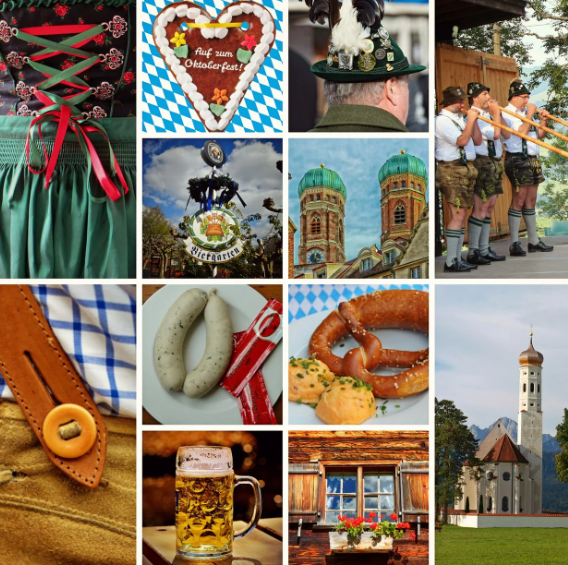
Over the years, Oktoberfest evolved, incorporating various cultural elements. It became a celebration not just of the royal wedding but of Bavarian culture as a whole. Traditional music, folk dances, and local cuisine became integral parts of the festivities.
» Read more

Oktoberfest in 2024: What to Expect This Year in Munich

Oktoberfest in 2024: What to Expect This Year in Munich. Ever wondered what Oktoberfest in Munich is like? It’s the world’s largest folk festival, celebrating Bavarian culture. Millions visit each year. Let’s explore why this beer festival is a top spot for German traditions and Munich events.

A vibrant scene of Oktoberfest in Munich, 2024, showcasing colorful beer tents filled with festive decorations, traditional Bavarian clothing, lively crowds enjoying large steins of beer, delicious pretzels and sausages, amusement rides in the background, and golden autumn leaves falling under a bright blue sky.


From September 21 to October 6, 2024, Munich’s Theresienwiese field will buzz with life. Over 6 million people will join in the fun. The area will host 17 big beer tents and 21 smaller ones, serving up tasty treats.

Getting into Oktoberfest is free, but you’ll need to watch your wallet. Beer will cost between €13.60 and €15.30 per liter. The Augustiner tent has the cheapest beer at €14.10. Food prices might go up, thanks to new tax rules.

Traditional events are the heart of Oktoberfest. Don’t miss the opening parade on September 21 and the marksmen parade on September 22. Music fans will love the open-air concert on the second Sunday.

Oktoberfest in 2024: What to Expect This Year in Munich – Key Takeaways

  • Oktoberfest 2024 runs from September 21 to October 6 in Munich
  • Over 6 million visitors are expected to attend
  • 17 major beer tents and 21 smaller specialty tents will be available
  • Beer prices range from €13.60 to €15.30 per liter
  • Free entry, but budget around €70 per day for food and drinks
  • Traditional parades and concerts are key attractions
  • Weekends and public holidays are busiest, plan accordingly

The History and Tradition of Munich’s Oktoberfest

Oktoberfest is a key part of Bavarian culture, starting in 1810. It has grown from a royal event to a famous festival. Every year, millions come to enjoy it.

The Royal Wedding That Started It All

The story of Oktoberfest began with Crown Prince Ludwig’s wedding to Princess Therese. The celebration included horse races and lasted five days. It was a joyous start to a long tradition.

Evolution from Horse Racing to Beer Festival

Oktoberfest changed from a royal event to a big beer festival. Beer tents were added in the late 1800s. By 1910, the biggest tent could serve 12,000 hectoliters of beer to 12,000 people.

189 Years of Bavarian Celebration

In 2024, Oktoberfest will celebrate its 189th year. It takes place at Theresienwiese, named after Princess Therese. The festival combines old traditions with new fun, like brass bands and carnival rides.

Year Milestone
1810 First Oktoberfest celebration
1910 100th anniversary: 12,000 hectoliters of beer served
1950 Introduction of the beer barrel tapping tradition
2010 200th anniversary and introduction of ‘Oide Wiesn’
2024 189th Oktoberfest, expecting 6 million visitors

Oktoberfest in 2024: What to Expect This Year in Munich. Today, Oktoberfest is a symbol of Bavarian culture. It mixes history, tradition, and fun. From its start to now, it has won the hearts of millions worldwide.

Essential Festival Information and Dates

Get ready for Oktoberfest in 2024: what to expect this year in Munich! The world’s largest beer festival starts on September 21st and ends on October 6th. This 16-day event is set to be one of the most exciting Munich events of the year.

Mark your calendars for these festival hours:

  • Weekdays: 10 am – 10:30 pm
  • Weekends: 9 am – 10:30 pm

Beer lovers, don’t miss the ceremonial tapping of the first keg at noon on opening day. Most stalls close by 11:30 pm. But, a few stay open until midnight for those who like to party late.

A vibrant scene of Oktoberfest 2024 in Munich, featuring large colorful beer tents filled with people in traditional Bavarian attire, lively folk music playing, vast beer gardens with long wooden tables, people enjoying pretzels and sausages, festive decorations with blue and white banners, iconic rides and attractions in the background, a clear blue sky, and the historic Munich skyline.

» Read more