
New Year, Old World Roots: 10 German-American Traditions That Still Shape January in the USA

GERMAN HERITAGE USA | AFFILIATE DISCLAIMER: This post may or may not contain affiliate links which means we may receive a commission for purchases made through links. We will only recommend products that we have personally used or that we truly trust. Learn more on our Private Policy and Disclaimer Page located under our Terms Of Service tab above.
January arrives quietly. The lights of the holidays come down, the crowds thin out, and winter settles in. But for millions of Americans with German roots, January has never been an empty month. It is a time of reflection, renewal, comfort, and connection — values deeply embedded in German culture and carried across the Atlantic by generations of immigrants.
Long before New Year’s resolutions became trendy, German families practiced intentional living: gathering indoors, honoring ancestry, cooking warming foods, and planning carefully for the year ahead. Those traditions didn’t disappear in America — they adapted. Today, they still quietly shape how German-American communities experience January across the United States.

From cozy winter meals to cultural clubs, ancestry research to budget-smart travel planning, these traditions continue to influence everyday life in ways many people don’t even realize. January, in many ways, is where German heritage feels most at home.
“Traditions are not about holding onto ashes, but about passing on the fire.” — Gustav Mahler
What follows are 10 German-American traditions that still shape January in the USA, connecting old-world roots to modern American life — and reminding us that heritage doesn’t need a festival crowd to stay alive.
1. New Year Reflection & Intentional Living
In German culture, the New Year has long been a time for Besinnung — thoughtful reflection. Rather than loud declarations or instant transformation, German-American families traditionally approach January with patience and practicality.
This shows up today in:
- Quiet goal setting instead of flashy resolutions
- Financial planning after the holidays
- Family discussions about priorities for the year ahead
German immigrants emphasized discipline, preparation, and responsibility — values that still guide how many families approach January budgeting, travel planning, and lifestyle resets.
2. The Winter Art of Gemütlichkeit

Few German words have traveled as beautifully as Gemütlichkeit. It describes warmth, belonging, comfort, and togetherness — especially during winter.
In January, Gemütlichkeit lives on through:
- Home-cooked meals shared indoors
- Small gatherings instead of large events
- Coffee, cake, conversation, and candles
Across German-American homes — from the Midwest to Texas — winter isn’t something to escape. It’s something to settle into.
“Happiness isn’t loud — it’s warm.” — German proverb
3. Hearty Winter Comfort Foods

January is prime season for traditional German comfort food. Long before refrigeration and grocery chains, winter meals were designed to nourish, preserve, and sustain.
Still common in German-American kitchens:
- Sauerkraut and sausages
- Potato soups and cabbage dishes
- Dumplings, rye bread, and root vegetables
These foods weren’t indulgences — they were survival recipes that became family traditions. Today, they bring comfort after the holidays and remind families of shared ancestry.
4. Winter Brewing & Beer Appreciation

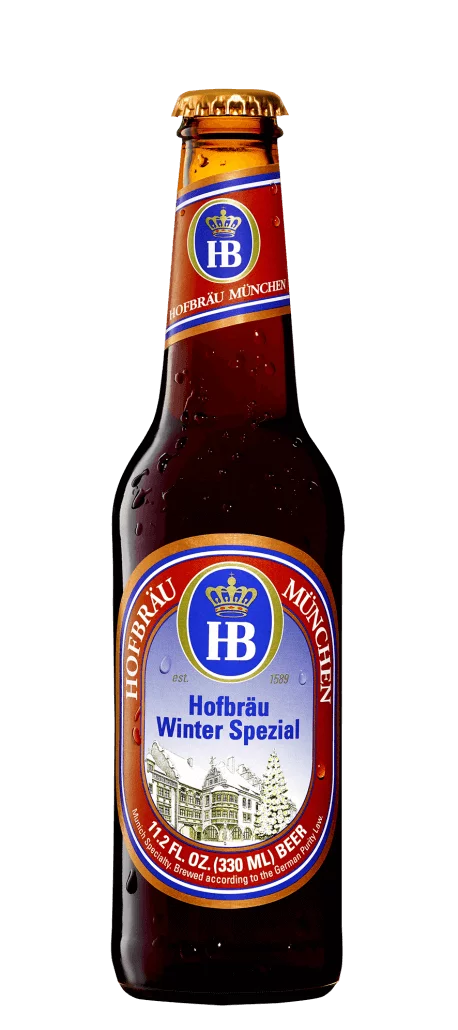
While Oktoberfest gets the spotlight, winter has always been a brewing season in German culture. Historically, stronger lagers and bocks were brewed for colder months and stored in cellars.
In January, German-American breweries across the U.S. continue this tradition, especially in places like New Ulm, Shiner, and Golden.
Winter brewery visits mean:
- Fewer crowds
- Seasonal specialty beers
- Deeper conversations with brewers
January is quietly one of the best months to experience German beer culture authentically.
5. German Clubs & Societies Stay Active
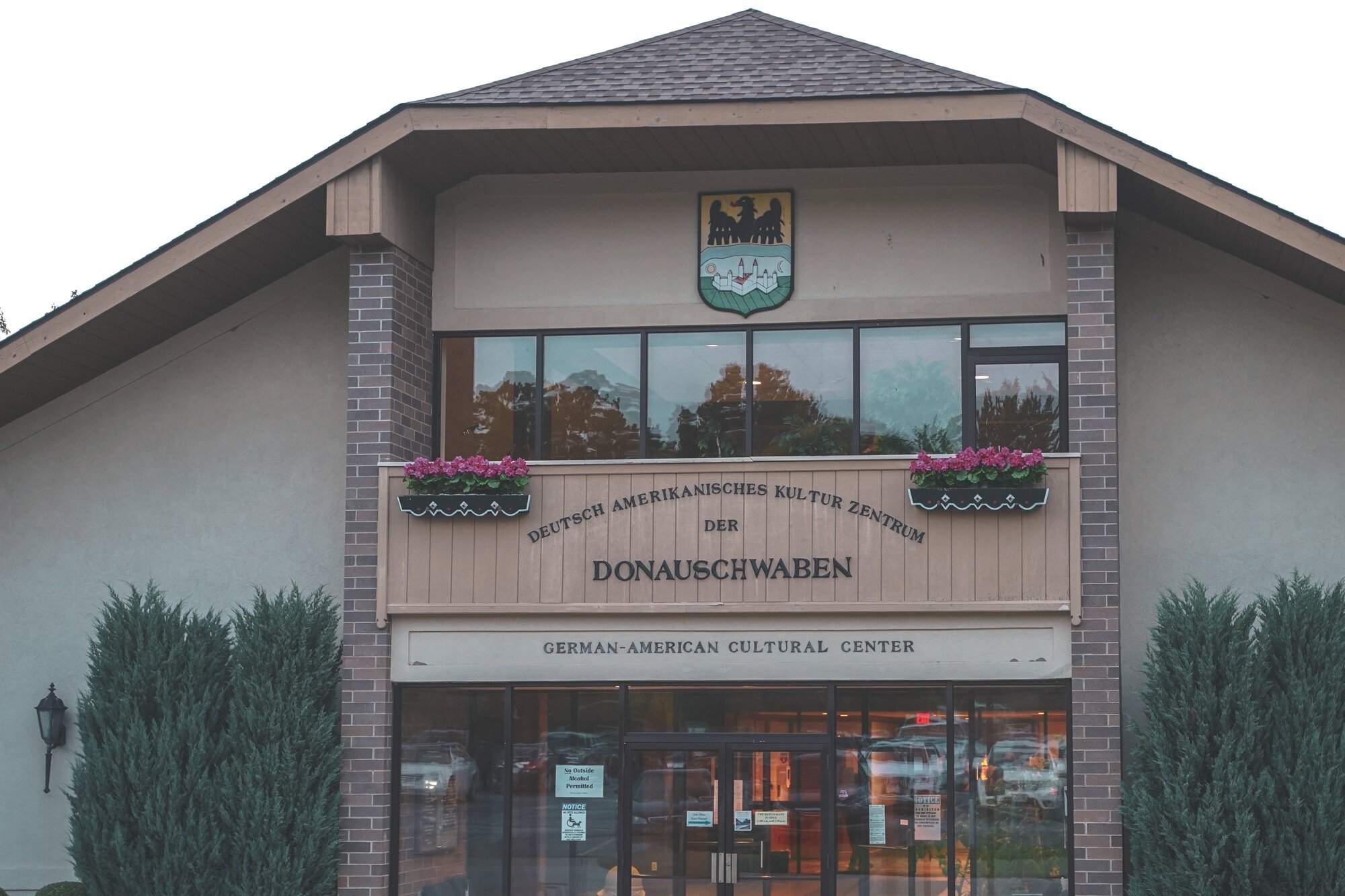
While outdoor festivals pause, German-American clubs and societies thrive indoors during January. Singing groups, heritage organizations, language clubs, and social halls keep culture alive year-round.
Across cities like Milwaukee, Chicago, and Cincinnati, winter meetings often include:
- Cultural presentations
- Traditional meals
- Planning for the year’s festivals
These clubs are the backbone of German heritage in America — especially during the quiet months.
6. Ancestry Research & Family History


January has become a modern season of discovery for German-American families. With ancestry tools, DNA testing, and digitized immigration records, winter evenings are often spent tracing roots.
Many families explore:
- Immigration through Ellis Island and Midwestern settlements
- German-language church records
- Family recipes tied to regions like Bavaria or the Rhineland
Communities such as Hermann and the German Coast near New Orleans continue to attract heritage travelers year-round.
7. Winter Travel to German-Themed Towns

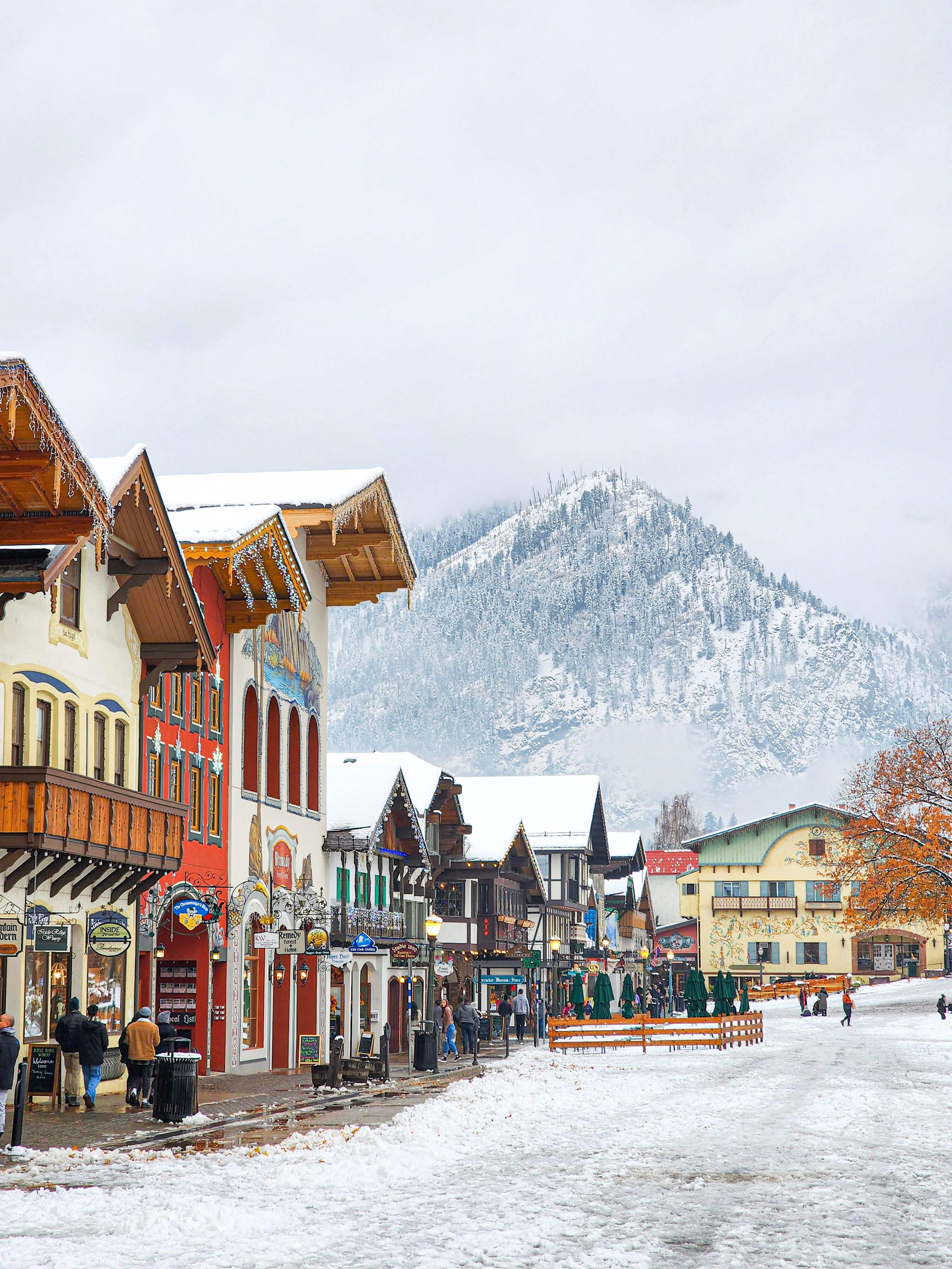
January is a hidden gem for visiting German-themed towns. With fewer crowds and lower travel costs, winter reveals their most authentic charm.
Beloved destinations include:
- Frankenmuth
- Helen
- Leavenworth
- Fredericksburg
Snow, quiet streets, and warm restaurants transform these towns into living postcards — perfect for budget-friendly heritage travel.
8. Practical Budgeting & Financial Discipline: Turning Heritage Values into Modern Freedom
For generations, German immigrants in America were admired for their practical mindset, careful planning, and financial discipline. These were not simply habits — they were cultural values rooted in survival, self-reliance, and long-term thinking. January, traditionally a quieter month, was when families evaluated resources, planned ahead, and made sure the year to come was sustainable as well as meaningful.
That mindset still resonates strongly today.
In modern German-American households, this tradition lives on through:
- Post-holiday financial resets, where spending is reviewed and priorities are clarified
- Intentional planning of future trips and experiences, rather than impulse purchases
- Using smart, tech-driven tools to stretch every dollar further without sacrificing quality or enjoyment
What has changed is not the value system — it’s the opportunity.
Today, many German-American families are discovering that heritage travel, dining, and cultural experiences don’t have to compete with financial responsibility. Through SAVE CLUB, families can turn everyday spending into real cash-back savings, helping them budget for the things that matter most: visiting a favorite German restaurant, planning a trip to a Bavarian-style town, attending a heritage festival, or exploring ancestral roots.
Even more powerful is the ability to share SAVE CLUB with others, creating a supplemental revenue stream that aligns perfectly with German traditions of community and mutual support. By introducing friends, family, and fellow heritage enthusiasts to the platform, members can generate additional income — income that can be reinvested into:
- Bucket-list trips to German-American communities
- Seasonal festivals and brewery tours
- Family heritage travel and ancestry research
- Cultural events, clubs, and organizations
In true German fashion, this approach is measured, responsible, and sustainable — not about quick wins, but about building a foundation that supports long-term dreams.
January is the perfect time to reconnect with these old-world values and apply them in a modern way. By pairing German traditions of thrift and planning with tools like SAVE CLUB, families are finding new freedom to travel more, experience more, and pass cultural traditions forward without financial strain.
👉 Curious how SAVE CLUB can help turn your heritage dreams into reality?
Learn more here: https://germanheritageusa.com/save-club
Because honoring where you came from shouldn’t limit where you can go — it should help take you there.
9. Winter Music, Choirs & Brass

German music traditions don’t stop after December. January is a rehearsal-heavy month for:
- Men’s choirs
- Church ensembles
- Brass and oompah bands
Indoor concerts and practice sessions keep music alive until festival season returns. For many communities, January is when the cultural heartbeat quietly continues behind closed doors.
10. Planning the Heritage Year Ahead
January has always been a planning month in German culture. Farmers, craftsmen, and families looked ahead — carefully and deliberately.
Today, that tradition shows up as:
- Mapping festival travel
- Scheduling family heritage trips
- Budgeting for Oktoberfest, Christmas markets, and club events
For German-Americans, January isn’t the end of celebration — it’s the foundation for everything that comes next.
Why January Matters More Than You Think
German heritage in America isn’t just about festivals, food tents, and parades. It’s about values — patience, warmth, preparation, and community — all of which thrive in January.
This quiet month reveals how deeply German culture has shaped American life, from how we eat and gather to how we plan, save, and honor where we came from.
“To know where you are going, you must remember where you came from.”
As the new year unfolds, January reminds us that old-world roots don’t fade — they guide us forward.