
From Pilgrims to Pioneers: Tracing German Roots in America’s Thanksgiving Story
GERMAN HERITAGE USA | AFFILIATE DISCLAIMER: This post may or may not contain affiliate links which means we may receive a commission for purchases made through links. We will only recommend products that we have personally used or that we truly trust. Learn more on our Private Policy and Disclaimer Page located under our Terms Of Service tab above.
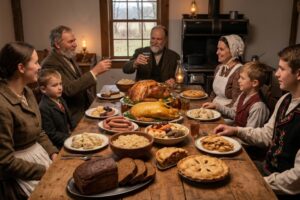
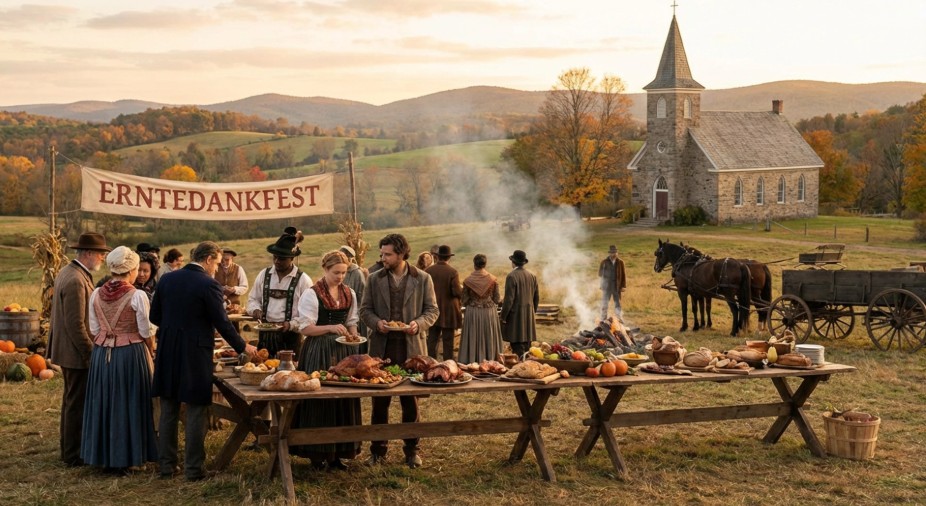
While English colonial narratives tend to dominate the Thanksgiving mythos, German-Americans brought with them an old-world appreciation for harvest festivals—Erntedankfest, their traditional celebration of thanks.
This autumn observance emphasized gratitude, community gatherings, hearty foods, and church services focused on blessings received throughout the year. When German settlers arrived in Pennsylvania, the Midwest, and the Great Plains, they carried these customs with them and naturally blended them into local American life. Over time, their rhythms of giving thanks—rooted in family, faith, and the fruits of the soil—helped guide the emerging American spirit of harvest celebration.
Beyond celebrations, German farming know-how dramatically shaped the agricultural backbone of the young nation. German immigrants introduced advanced crop rotation, efficient barn designs, new food-preservation methods, and hardy livestock breeds that improved both yields and food security.
Their meticulous, almost scientific approach to agriculture spread rapidly across frontier settlements. These innovations didn’t just feed growing communities—they laid essential groundwork for the agricultural abundance modern Americans now associate with Thanksgiving tables overflowing with produce, breads, sausages, and seasonal desserts.
And then there’s the food—because no discussion of Thanksgiving is complete without it. German-Americans expanded America’s palate long before the holiday had a set menu. They contributed sausages, smoked meats, spiced breads, apple dishes, sweet rolls, and the kind of root-vegetable comfort foods that feel right at home beside turkey and stuffing.
In many regions, early Thanksgiving dinners featured sauerkraut alongside roast fowl, a tradition that still survives today in pockets of Pennsylvania and the Midwest. These German culinary fingerprints helped shape an American feast that is richer, heartier, and far more diverse than the simplified storybook version we often imagine.
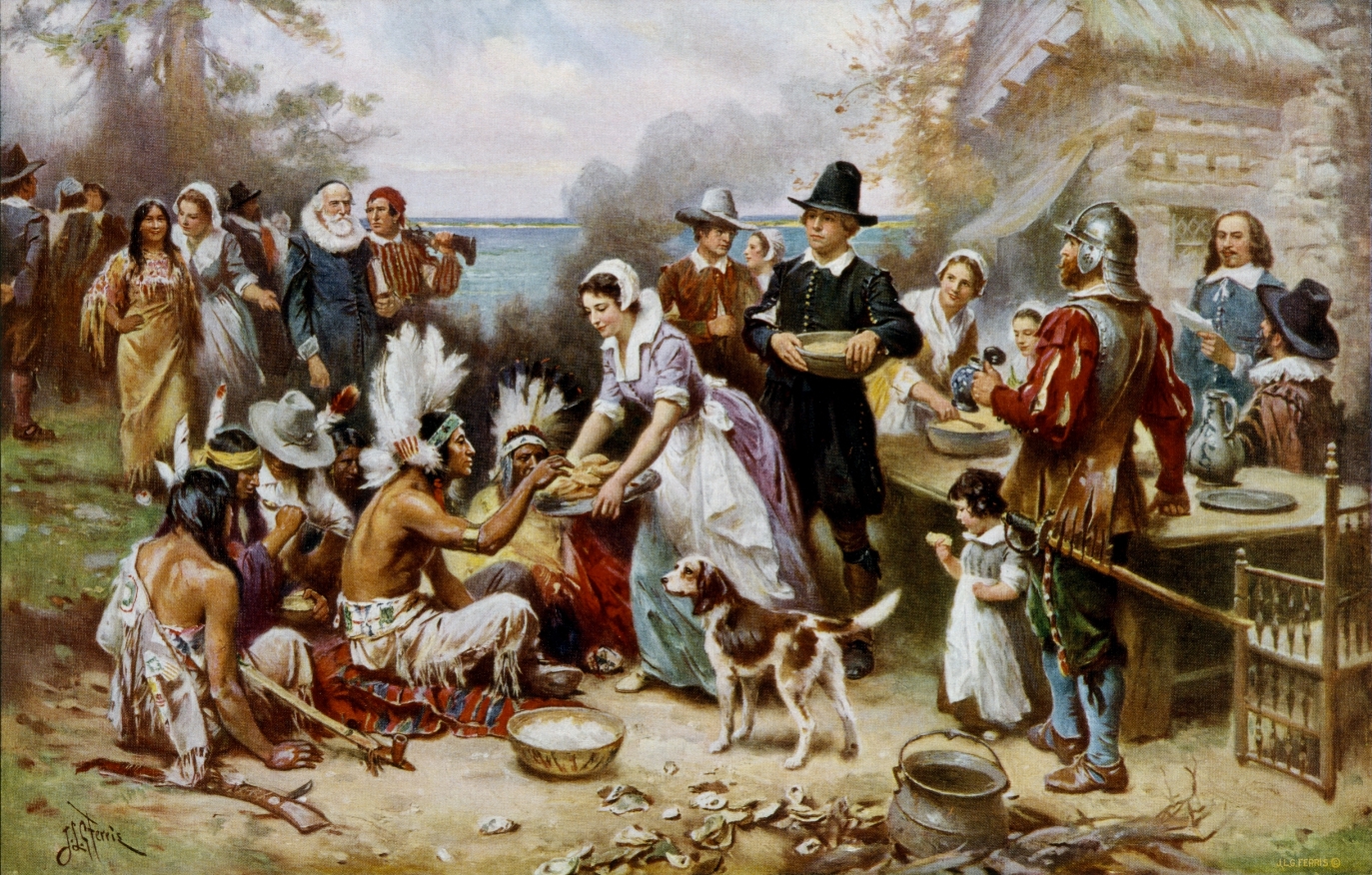

Most Americans picture Thanksgiving as a uniquely English-American tradition—Pilgrims in buckled hats, Native Americans, a harvest feast, and a legendary turkey. But behind the familiar story lies a surprising truth: German immigrants played a remarkable, often overlooked role in shaping America’s Thanksgiving customs, foods, farming techniques, and attitudes toward gratitude.
Long before pumpkin pie crowned the dessert table and football dominated the afternoon, German pioneers were planting crops, building communities, and sharing traditions that blended into what we now celebrate as Thanksgiving. Their influence is woven quietly but deeply into America’s cultural fabric—one hearty feast, one farmstead, and one frontier settlement at a time.
So grab a plate, pour a mug of cider (or maybe a crisp Oktoberfest brew), and let’s time-travel through how German roots helped cultivate America’s thanksgiving spirit long before Thanksgiving became a holiday.
The Pilgrim Story We Know… and What’s Missing
We all know the basics: In 1621, English Pilgrims and Wampanoag people shared an autumn harvest meal in Plymouth—a symbolic moment of cooperation and survival. But here’s what textbooks often skip: the Pilgrims were not the only Europeans contributing to early American harvest traditions.
In fact, while the Pilgrims were building Plymouth Colony, German-speaking settlers were already living, farming, and worshipping in parts of what is now the United States, especially in New York, Pennsylvania, and along the East Coast. Their agricultural know-how, communal feasts, and deep spiritual focus on gratitude paralleled many themes later associated with Thanksgiving.

Before Thanksgiving: Germany’s Own Harvest Traditions
To understand how Germans shaped the holiday, we must look back across the Atlantic.
For centuries, Germans celebrated Erntedankfest, their traditional “Harvest Thanksgiving Festival.”
This wasn’t a single national holiday but a community-based celebration marked by:
- Church services focused on gratitude
- Decorated altars with wheat, corn, and fruits
- Parades featuring children carrying harvest crowns
- Community feasts celebrating hard work and abundance
- Music, dancing, and shared meals
Sound familiar? It should. In many ways, Erntedankfest is the spiritual cousin of modern American Thanksgiving.


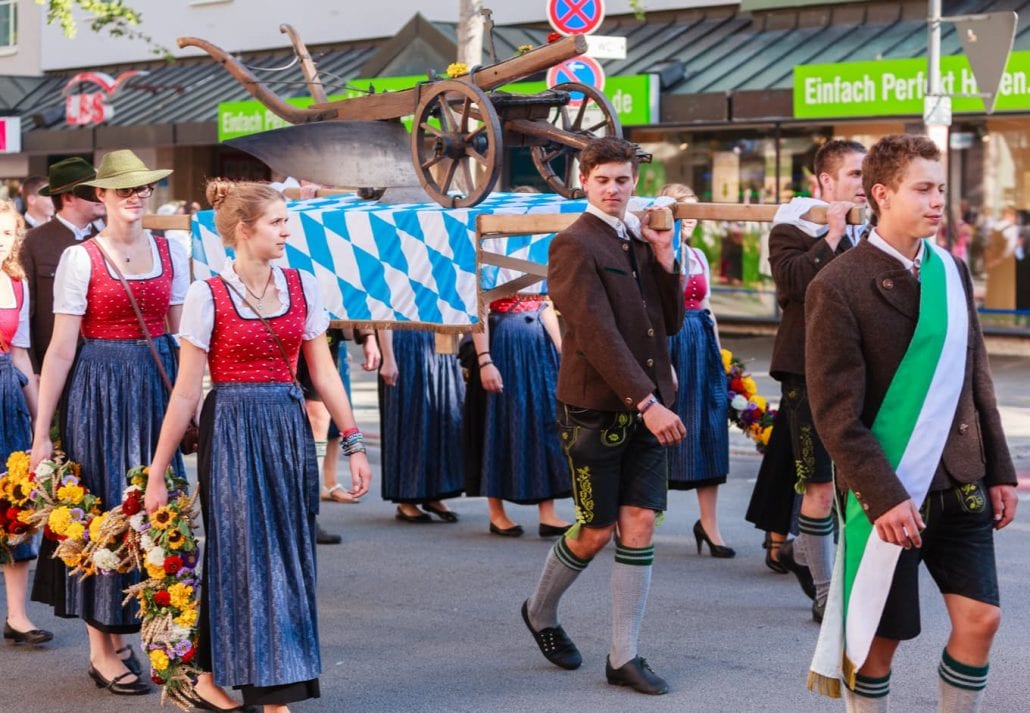
When German immigrants came to America, they brought this celebration—with its warmth, faith, food, and community spirit—into the New World.
German Immigration Begins Long Before America Is a Nation
German-speaking settlers began arriving in the 1600s, well before the United States existed. Over the next two centuries, millions followed. By the mid-1800s, Germans were the largest immigrant group in America.
Where did they settle?
- Pennsylvania (especially the Pennsylvania Dutch)
- New York and the Hudson Valley
- The Carolinas
- The Ohio River Valley
- Midwestern territories like Illinois, Indiana, Wisconsin, Missouri, and Kansas
These pioneers brought farming skills, craftsmanship, festivals, and foodways that blended seamlessly into the early American landscape.


How German Farming Shaped the Thanksgiving Table
When Germans arrived in America, they were renowned for their advanced farming practices. Many early American communities simply would not have survived without German agricultural techniques.
1. They popularized important crops
- Wheat
- Rye
- Barley
- Cabbage
- Apples
German orchards introduced many heirloom American apple varieties. Without them, your Thanksgiving apple pie might not exist today.
2. They mastered winter farming
Germans brought techniques for storing root vegetables—potatoes, carrots, onions—which became essentials for fall and winter feasts.
3. They pioneered barn-building styles
The famous bank barn, designed by German settlers, revolutionized storage capacity for grain and livestock—key to surviving harsh American winters.


4. They influenced American corn (maize) culture
While Native Americans gifted Europeans corn, Germans helped perfect ways to cultivate and preserve it—making it a staple alongside bread, pies, and stuffing.
Put simply: German agricultural knowledge helped create the feast we now call Thanksgiving.
German Food Traditions That Found a Home on Thanksgiving Tables
Though Americans instantly recognize turkey, mashed potatoes, and pumpkin pie, many underlying flavors and techniques echo German heritage.
✔ Stuffing & Sausage Traditions
Germans were experts at sausage-making and bread-based stuffings (Füllung, Dressing).
Herb-seasoned bread stuffing? That’s straight out of German kitchens.
✔ Sweet-and-Sour Dishes
German immigrants loved combining savory dishes with tangy fruit: think apple-onion stuffing, cranberry-apple relish, and spiced cabbage. These pairings now feel essential to Thanksgiving.
✔ Pretzels and Breads
German settlers’ obsession with baking—pretzels, crusty loaves, and enriched holiday breads—influenced colonial breadmaking.
✔ Pies and Custards
Germany didn’t invent pies, but it perfected fruit tarts and custards. Many early American desserts were German-inspired adaptations.
Erntedankfest + American Harvest Feasts = A New Tradition Emerges
While the Pilgrims’ 1621 feast is the iconic origin story, Thanksgiving as a national holiday wasn’t established until the 19th century, thanks to Abraham Lincoln.
Long before that, communities across the colonies held local harvest celebrations, many influenced directly by German traditions:
- Decorations using sheaves of wheat and colorful produce
- Church services centered on thanking God for the harvest
- Outdoor meals with neighbors
- Toasts, songs, and community gatherings
German-American churches in Pennsylvania and the Midwest celebrated Erntedankfest every fall, and these celebrations inspired local customs that blended into broader American culture.
When Thanksgiving eventually became a national holiday, much of what Americans recognized as “traditional” already had German fingerprints on it.
Pioneers on the Frontier: How German Settlers Shaped the Midwest’s Thanksgiving Spirit
As America expanded westward, German immigrants weren’t just settlers—they were community builders.
They established:
- Farms
- Churches
- Breweries
- Town squares
- Schoolhouses
- Holiday traditions
In many frontier towns, the first organized harvest festival came from German congregations, not English ones.
Imagine this scene:
A Wisconsin or Missouri frontier church decorated in wheat garlands, children carrying harvest crowns, brass bands playing hymns, and villagers gathering for a shared meal. That’s pure Erntedankfest in America—and it helped popularize the ethos of gratitude that Thanksgiving embodies.


Beer at Thanksgiving? Leave it to the Germans
While wine and cider were common colonial beverages, German pioneers introduced something that became a Thanksgiving staple in many homes: beer, especially lager.
German immigrants revolutionized American brewing in the 1800s. Brands like:
- Anheuser-Busch
- Miller
- Schlitz
- Pabst
were all founded by German immigrants. By the time Thanksgiving became a federal holiday, German-style beer was already part of American feasts.
So if your Thanksgiving includes a crisp lager or a malty Märzen, raise a glass to German heritage!
Fun Fact: German-Language Newspapers Popularized Thanksgiving Recipes
By the late 1800s, America had hundreds of German-language newspapers.
These publications played a major role in spreading Thanksgiving customs among immigrant families.
Newspapers printed:
- Turkey roasting techniques
- Stuffing recipes
- Cranberry sauces
- Tips for hosting large gatherings
- Reflections on gratitude
As immigrants adopted the holiday, they also adapted it—often combining American foods with German techniques, creating a culinary fusion that persists today.
The Pennsylvania Dutch: Thanksgiving Trailblazers
The Pennsylvania Dutch (who are actually Deutsch, meaning German) had an outsized impact on early American culture.
Their contributions include:
✔ The American love of pies
Shoofly pie, apple tart, custard pie—these traditions helped shape American dessert culture.
✔ Farming excellence
The Pennsylvania Dutch were extraordinarily skilled farmers, influencing how Americans grew and preserved food.

✔ Holiday hospitality
Feasts were major community events, emphasizing abundance, fellowship, and gratitude.
Their autumn harvest meals were, in many ways, proto-Thanksgivings.
German Values That Shaped America’s Thanksgiving Mindset
Beyond the food and farming, German settlers influenced the spirit of Thanksgiving.
1. Gratitude
German churches emphasized Dankbarkeit (thankfulness), aligning perfectly with Thanksgiving themes.
2. Hard Work and Reward
Germans valued industry and believed harvest celebrations were a time to honor a year of toil.
3. Community Above Individualism
Thanksgiving feasts mirrored the German belief in gathering with neighbors.
4. Faith and Reflection
Erntedankfest was spiritually centered—much like early American Thanksgivings.
These values blended easily into America’s developing holiday identity.
Modern German Influence on Today’s Thanksgiving
German culture remains surprisingly visible in contemporary Thanksgiving traditions:
✔ Pumpkin and Squash Recipes
German immigrants quickly adopted American pumpkins and turned them into soups, breads, and desserts.
✔ Breads, Rolls & Pretzels
German baking traditions still shape American holiday bread baskets.
✔ Side Dishes with Vinegar or Mustard
Tangy greens, warm slaws, and mustard-based glazes are German in origin.
✔ Holiday Beverages
Cider, beer, mulled wine (Glühwein), and festive punches were popularized by German households.
✔ Music
Brass bands—iconic in German culture—became common in early American festivals.
A Quote That Captures the Spirit
“Thanksgiving is the meeting place of America’s diverse traditions—where English pilgrims, Native wisdom, and German gratitude meet at one table.”
— German Heritage USA
German Americans Today: Still Celebrating Gratitude
German-Americans remain one of the largest ancestral groups in the United States. And while Thanksgiving is now a universally American holiday, many families still incorporate touches of German heritage:
- Serving potatoes, cabbage dishes, or spaetzle alongside turkey
- Baking German-style pies, like pear custard or apple streusel
- Starting the meal with a toast: “Ein Prost auf den Dank!”
- Sharing both American and German desserts
- Playing a little polka music during cleanup
- Ending the evening with Glühwein or a German beer
It’s a holiday shaped over centuries—by many hands, many cultures, and many hearts.
So… Did Germans Invent Thanksgiving?
Not exactly. But did they shape it? Absolutely.
Without German settlers:
- Early American farming would have looked different
- Community harvest festivals might have evolved differently
- Many foods on the modern Thanksgiving table would be missing
- The spirit of gratitude and togetherness might have taken a different path
Germans didn’t create Thanksgiving—but they helped make it uniquely American.
And that is something truly worth celebrating.