
Top 7 German-American Thanksgiving Recipes That Bring Old-World Flavor to America’s Table

GERMAN HERITAGE USA | AFFILIATE DISCLAIMER: This post may or may not contain affiliate links which means we may receive a commission for purchases made through links. We will only recommend products that we have personally used or that we truly trust. Learn more on our Private Policy and Disclaimer Page located under our Terms Of Service tab above.
Where Danke Meets Thanksgiving
When you think of Thanksgiving, your mind probably drifts toward turkey, stuffing, cranberry sauce, and pumpkin pie — all wrapped up in that golden autumn glow. But for millions of Americans whose ancestors came from Germany, Thanksgiving carries a subtle yet flavorful twist: a fusion of Erntedankfest traditions (Germany’s own harvest festival) and the uniquely American feast of gratitude.
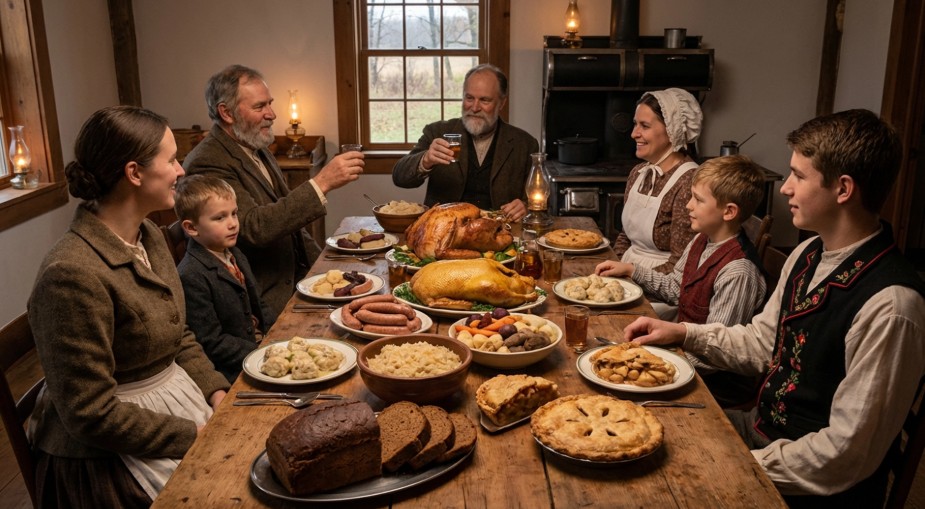
German immigrants didn’t just bring beer, pretzels, and polka to America — they brought a deep reverence for harvest, family, and hearty, humble food. From the fields of Holstein to the plains of Nebraska, the flavors of old-world Germany blended with new-world ingredients to create a Thanksgiving table that still tells a story centuries later.
So this November, let’s journey through time and taste as we explore the Top 7 German-American Thanksgiving Recipes — dishes that honor our ancestors, celebrate the harvest, and bring Gemütlichkeit (that warm feeling of comfort and belonging) to your table.
🥖 1. German Sweet Dressing (The Hingst Family Recipe)
Origin Story:
In the early 1800s, the Hingst family farmed in the rolling countryside of Seelent, Holstein, in northern Germany — a land of fertile soil, grains, and salted air from the Baltic Sea. During Erntedankfest, the family would gather after the final harvest to celebrate with a roast goose and a sweet, bread-based stuffing made from local apples, raisins, honey, and spices.
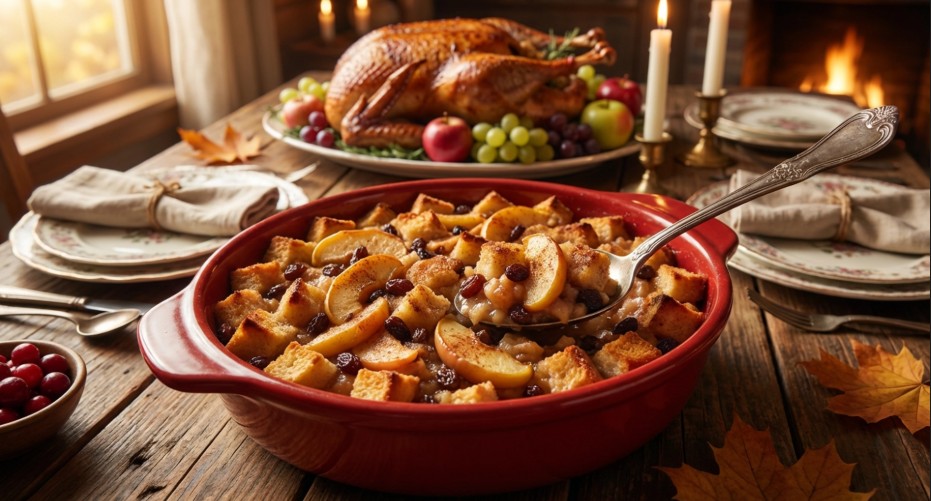
When the Hingst family immigrated to America in 1882, settling in Iowa and Nebraska, they brought this cherished recipe with them. Goose slowly gave way to turkey on the American table, but the sweet, cinnamon-laced dressing remained a staple — eventually earning the nickname “German Sweet Dressing.”
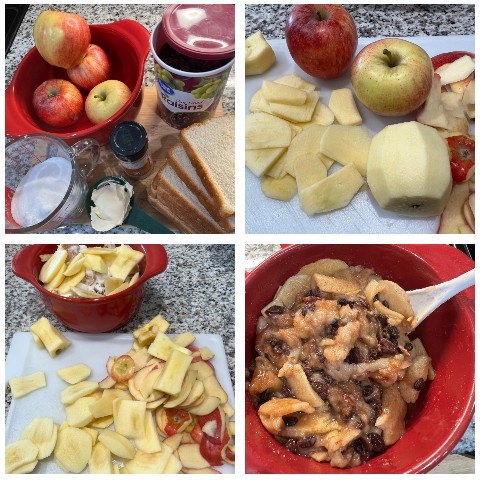
Today, it’s a nostalgic side dish found in family kitchens from the Midwest to the East Coast, connecting generations through every golden spoonful.
Ingredients:
- 8 cups cubed day-old bread
- ½ cup butter
- ½ cup water
- 3 apples, diced
- 1 cup raisins
- 2 tbsp sugar, honey or molasses
- 1 tsp cinnamon
- ¼ tsp salt
Directions:
Lightly toast the bread cubes, then mix them with melted butter, diced apple, raisins, honey, cinnamon, and salt. Pour into a buttered casserole dish and bake covered at 350°F for 30 minutes, uncovering for the final 10 minutes to brown the top.
Taste Note:
It’s like the cozy cousin of classic American stuffing — with a kiss of sweetness and the warm spice of the Old Country. Perfect with turkey or even as a dessert-like side next to ham.
🦪 2. Northern German Oyster Dressing
Origin Story:
Long before Americans fell in love with oyster stuffing, coastal Germans were already combining bread, butter, and oysters in rich, briny holiday dishes. Along the Schleswig-Holstein coast, oyster beds dotted the North Sea and Baltic shores, and locals created “Austerfüllung” — a baked oyster and bread mixture traditionally stuffed inside a roasted fish or goose.

German immigrants brought this recipe to Maryland and Louisiana, where oysters were plentiful, and Thanksgiving was quickly becoming a national tradition. By the late 1800s, German-American oyster dressing had evolved into a beloved coastal favorite.
Ingredients:
- 2 cups fresh shucked oysters, chopped
- 6 cups stale bread cubes
- ½ cup butter
- ½ cup diced celery
- Salt and pepper to taste
Directions:
In a skillet, melt butter and sauté the celery until soft. Stir in the oysters just long enough to firm them slightly, then fold the mixture into bread cubes. Add salt and pepper, transfer to a greased dish, and bake at 375°F for 25–30 minutes until bubbling and lightly browned.
Taste Note:
Savory and subtly oceanic, this dish delivers an elegant salt-kissed note to the Thanksgiving spread. If you close your eyes, you might even hear the waves of the North Sea rolling against the coast of your ancestors.
🥔 3. German Potato Sausage Stuffing (Kartoffelwurstfüllung)
Origin Story:
In Bavaria, where sausage-making is both an art and a way of life, hearty ingredients like pork, potatoes, onions, and marjoram were essential in fall and winter cooking. Farm families would prepare a potato and sausage filling for roasted meats — a humble but delicious use of leftovers that symbolized thrift and abundance.

When Bavarian immigrants settled in Wisconsin and Minnesota, they adapted this tradition into a Thanksgiving stuffing. Potatoes replaced bread, and German wurst gave it a rustic, homey depth that quickly earned a place alongside the turkey.
Ingredients:
- 1 lb German-style sausage (bratwurst or mild pork)
- 4 cups mashed potatoes
- 1 onion, diced
- 2 tbsp butter
- 1 tsp marjoram
- Salt and pepper to taste
Directions:
Brown the sausage and onion in butter. Mix in the mashed potatoes, marjoram, salt, and pepper. Spoon into a greased casserole and bake at 350°F for 25 minutes until the top is lightly crisped.
Taste Note:
This dish is the definition of comfort food — creamy, savory, and perfectly hearty. The marjoram gives it a uniquely German touch, making it feel both traditional and timeless.
🍎 4. Red Cabbage and Apple Slaw (Rotkohl mit Apfel)
Origin Story:
If Thanksgiving had a color palette, Rotkohl mit Apfel would paint it perfectly — deep purple cabbage, golden apples, and the glistening hue of butter and vinegar. This side dish comes from Prussia and Saxony, where red cabbage and apples were stored through the cold months and became essential ingredients for winter feasts.
In Pennsylvania, Ohio, and Missouri, German immigrants transformed this Christmas-time favorite into a Thanksgiving must-have, serving it alongside turkey, ham, or roast pork. Its tangy-sweet flavor balanced the richness of the meal, and its bright color made the table shine.
Ingredients:
- 1 small red cabbage, shredded
- 2 apples, thinly sliced
- 2 tbsp butter
- 3 tbsp vinegar
- 2 tbsp sugar
- ½ tsp cloves
Directions:
In a large skillet, melt butter and sauté the cabbage and apples for 5 minutes. Add vinegar, sugar, and cloves. Cover and simmer for about 30 minutes, stirring occasionally, until tender and aromatic.
Taste Note:
Sweet, tart, and buttery all at once — Rotkohl adds both flavor and flair. It’s a symbol of balance: the crisp bite of fall fruit meeting the warmth of home-cooked tradition.
🥓 5. German Green Beans with Bacon and Onions (Speckbohnen)
Origin Story:
This dish was born from necessity and ingenuity. In Lower Saxony, small farms made use of every ingredient at hand after harvest. Green beans, cured bacon, and onions were cooked together in one pot, creating a smoky, hearty vegetable dish that filled bellies and hearts alike.
By the time these families settled in Indiana, Illinois, and Ohio, Speckbohnen had become a familiar side dish — an easy, flavorful addition to the Thanksgiving lineup. It blended beautifully with turkey gravy and mashed potatoes, and it brought the unmistakable scent of German kitchens to the Midwest.
Ingredients:
- 1 lb fresh green beans, trimmed
- 4 slices bacon, diced
- 1 onion, chopped
- ¼ tsp black pepper
- 1 tbsp butter
Directions:
Fry bacon and onion together in a skillet until crisp and fragrant. Add the green beans and ½ cup of water, cover, and simmer for 15–20 minutes. Finish with butter and a dash of pepper.
Taste Note:
The magic lies in the bacon drippings — smoky, salty, and rich. This side dish feels like a hug from your German Oma, full of simple comfort and old-world soul.
🍰 6. German Apple Cake (Apfelkuchen)
Origin Story:
In villages across Thuringia and Baden-Württemberg, apples were treasured — not just for eating, but for celebrating. The Apfelkuchen, or apple cake, was baked for church gatherings, weddings, and harvest festivals. When German immigrants settled in Pennsylvania and the Midwest, they brought this recipe as a taste of home — one that quickly joined the Thanksgiving dessert table beside pumpkin and pecan pies.
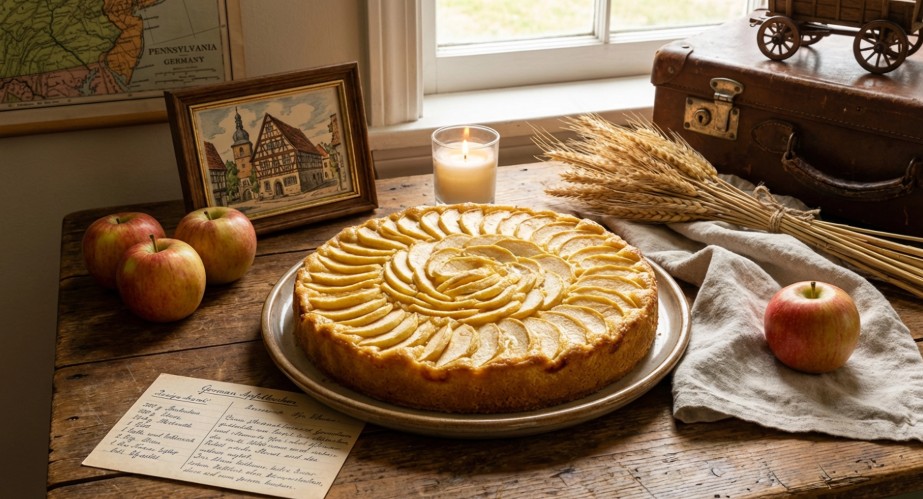
While American pies focus on sweet fillings, Apfelkuchen highlights the natural flavor of apples with a tender, buttery cake base. It’s simple, rustic, and unfailingly delicious.
Ingredients:
- 1 cup sugar
- ½ cup butter
- 2 eggs
- 1½ cups flour
- 1 tsp baking powder
- 2 apples, peeled and thinly sliced
- 1 tsp cinnamon
Directions:
Cream butter and sugar, then add eggs and mix well. Stir in flour and baking powder. Spread the batter into a greased 9-inch pan, arrange apple slices on top, and sprinkle with cinnamon. Bake at 350°F for 35–40 minutes, or until golden.
Taste Note:
Moist yet delicate, this cake has an aroma that fills the house with memories. Serve it warm with whipped cream or vanilla ice cream for a perfect autumn dessert that bridges Germany and America in every bite.
🍯 7. German Honey-Spice Cookies (Honigkuchen)
Origin Story:
Long before American kitchens filled with the scent of pumpkin spice, German bakers were crafting Honigkuchen — a honey-sweetened cookie flavored with cloves, nutmeg, and cinnamon. It’s the cousin of Lebkuchen, a holiday favorite dating back to the 13th century in Nuremberg and Franconia.
Immigrants from these regions brought Honigkuchen to the U.S. in the 1800s. As Thanksgiving marked the unofficial start of the holiday season, these cookies became a way to welcome Christmas early — served with hot tea or mulled cider after dinner.
Ingredients:
- ½ cup honey
- ½ cup brown sugar
- ¼ cup butter
- 2 cups flour
- 1 tsp cinnamon
- ½ tsp cloves
- ½ tsp nutmeg
- 1 egg
Directions:
Warm the honey, sugar, and butter together in a small pot until melted and smooth. Allow to cool slightly, then add flour, spices, and egg. Roll into small rounds and bake at 350°F for about 10 minutes.
Taste Note:
Fragrant and slightly chewy, these cookies taste like the holidays are arriving early. They’re a lovely way to end your Thanksgiving meal — or to give as a homemade gift to friends and neighbors.
🕯️ The Story Behind the Flavors
Each of these recipes tells a story — of immigration, adaptation, and gratitude. German families who came to America in the 18th and 19th centuries didn’t abandon their traditions; they transformed them.
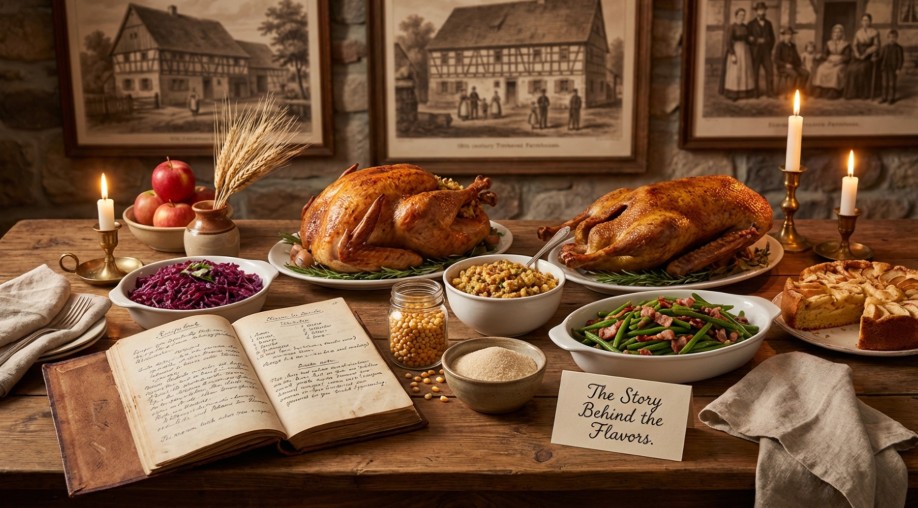
They replaced goose with turkey, barley with corn, and honey with sugar, but the heart of the meal — celebrating abundance and giving thanks — remained the same.
Thanksgiving, in its essence, echoes the Erntedankfest:
- Both mark the end of harvest.
- Both gather families to share food and faith.
- Both celebrate community and giving thanks for the year’s blessings.
As German-Americans built farms, businesses, and towns across the Midwest, they carried their culinary heritage with pride. Recipes like Sweet Dressing, Rotkohl, and Apfelkuchen became more than just food — they became bridges between generations, tying new traditions to old roots.
🍽️ Bringing German Heritage to Your Thanksgiving Table
Here’s how you can bring that heritage home this year:
- Start with One Dish: Try adding a side like German Sweet Dressing or Speckbohnen to your Thanksgiving spread.
- Tell the Story: Share where the dish comes from — your family’s region, a historical note, or even this article!
- Decorate with Heritage: Use candles, simple linens, and maybe a small vase of wheat or apples to echo the Erntedankfest spirit.
- Say “Danke”: Begin your meal with a toast of gratitude — in English or in German:
“Wir danken dir, Herr, für die Ernte und das Leben.”
(“We thank you, Lord, for the harvest and for life.”)
🥂 A Toast to Tradition
In every bite of sweet dressing, every crumb of apple cake, and every sip of spiced cider lies the story of resilience, love, and homecoming. Thanksgiving may be an American holiday, but its heart beats with the same warmth that Germans have celebrated for centuries — a gratitude for the harvest, the family, and the simple joys of the season.
So this November, as you gather around your table, remember: you’re not just eating — you’re celebrating history. You’re part of a legacy that stretches from the fields of Holstein to the heart of America.
Raise a glass, say “Prost,” and pass the dressing.
After all, nothing says Danke-Giving quite like German flavors shared with American hearts.