
The German Side of Frankenstein — How a Curious Creation Became an American Superstar
GERMAN HERITAGE USA | AFFILIATE DISCLAIMER: This post may or may not contain affiliate links which means we may receive a commission for purchases made through links. We will only recommend products that we have personally used or that we truly trust. Learn more on our Private Policy and Disclaimer Page located under our Terms Of Service tab above.
Forget the lightning bolts and scary moans for a moment — Frankenstein wasn’t born a monster. He was born from imagination, invention, and a good dose of German curiosity that continues to be popular with all generations, even today!
Long before he hit the silver screen, Frankenstein was a patchwork of Old World legends, scientific wonder, and a pinch of “what if?” magic that somehow made him one of America’s most beloved characters.
From the Rhine Valley to the Bright Lights
Let’s rewind to the early 1800s. Europe was buzzing with big ideas — science, discovery, and a fascination with what electricity could do. Somewhere in the mix of candlelight and castle corridors, an English teenager named Mary Shelley wrote a story that would electrify the world: Frankenstein; or, The Modern Prometheus.
But here’s the fun twist — the name Frankenstein? Totally German. It means “Stone of the Franks,” and there’s an actual Castle Frankenstein overlooking the Rhine River near Darmstadt, Germany!
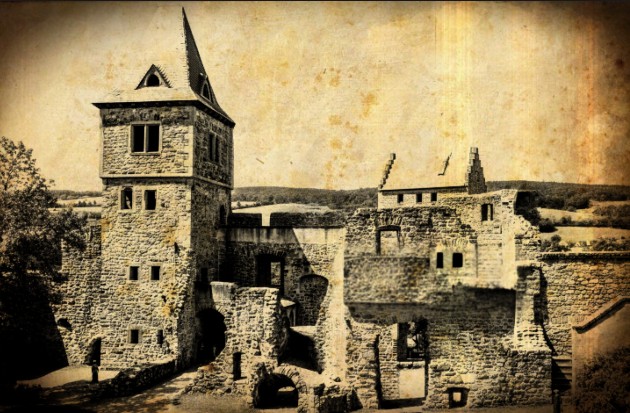
Legend says a local alchemist named Johann Konrad Dippel once conducted experiments there, chasing the secret to eternal life. Whether Mary Shelley heard about him or just liked the mysterious name, it’s safe to say the spirit of German curiosity inspired her tale.
The original Frankenstein wasn’t evil — he was a scientific pioneer, a guy who just wanted to see how far human knowledge could go. And honestly, who doesn’t love a good “what happens if I mix this with that?” experiment?
An American Dream Come to Life
Fast forward to the United States, a land bursting with invention and imagination. When Frankenstein crossed the Atlantic, Americans saw something more than a spooky tale — they saw adventure! The idea of building something incredible, even if it’s misunderstood at first, fit right in with the nation’s love of discovery and reinvention.
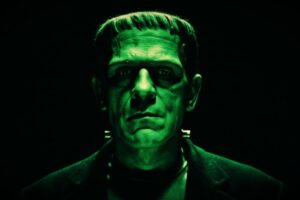
By the 1820s, stage shows and storybook versions of Frankenstein were touring the country, often with a wink and a laugh. By the time Thomas Edison made the first film adaptation in 1910 (yes, the light bulb guy!), the story had already evolved from creepy to curious. And then, of course, came the 1931 Universal Studios classic with Boris Karloff — turning the creature into a Hollywood icon.
Suddenly, Frankenstein wasn’t just a character — he was a celebrity.
The Monster with a Heart (and a Sense of Humor)
Over the years, Frankenstein’s image has softened and sparkled with personality. From the goofy grin of The Munsters’ lovable Herman Munster to Gene Wilder’s hilarious Young Frankenstein, the big green guy became less “ghoul” and more “gentle giant.”
In America, Frankenstein transformed into a symbol of creative curiosity — the idea that experimenting, dreaming, and maybe even failing are all part of what makes us human. He became a little bit like us: misunderstood at times, but full of potential and heart.
And let’s be honest — if Frankenstein were real, he’d probably be an inventor on a talk show today, explaining how his latest gadget “came to life after a lightning storm.”
Why the World Still Loves Him
Frankenstein’s story continues to shine because it’s about possibility. It’s about a spark — literally! — that turns an idea into something amazing. From comic books to cartoons, toy shelves to theme parks, he’s still around because his story celebrates creativity and the courage to try something new.
And deep down, his German roots remind us that great ideas often come from the curious minds and castle towers of dreamers who dare to mix science and imagination.
Conclusion: The Friendly Frankenstein
So maybe Frankenstein isn’t a monster at all. Maybe he’s the ultimate adventurer — a curious soul stitched together from creativity, courage, and a little bit of lightning.
He started as a mysterious name on a map of Germany, came to life through Mary Shelley’s imagination, and then found his forever home in America’s heart — where reinvention and second chances are always welcome.
But Frankenstein didn’t stop there. Once Hollywood brought him to life, he didn’t just conquer the screen — he conquered the marketplace! Almost overnight, the big green guy went from gothic literature to global brand. By the 1930s and ’40s, his face was plastered on movie posters, collectible cards, and comic books. When television reruns introduced Frankenstein to a new generation of kids in the 1950s and ’60s, a merchandising monster was officially born.
Frankenstein became the undisputed king of Halloween, helping transform the holiday from spooky folklore into a nationwide festival of fun. Every October, his square head and neck bolts fill costume racks, store aisles, and front-yard displays from coast to coast. He’s inspired millions of masks, from vintage latex classics to cute toddler versions, proving that you can be both creepy and cuddly at the same time.
And the branding didn’t stop there. Frankenstein danced his way into breakfast bowls as part of the 1970s “Monster Cereal” craze with Franken Berry, his cheerful pink alter ego who turned milk strawberry-sweet. His image showed up on lunchboxes, board games, toys, movie posters, cereal boxes, bubble gum cards, and even Halloween yard inflatables — a true icon of playful fright.
Marketers loved him because he was the perfect mix of scary and sympathetic — a monster you could root for. Toy companies, candy brands, and film studios all gave him new life decade after decade, each time with a little more humor, color, and heart. Even today, you’ll find Frankenstein’s friendly grin lighting up everything from kids’ pajamas to Starbucks mugs and TikTok memes.
In a way, Frankenstein helped build modern Halloween — the costumes, the collectibles, the spirit of dress-up and imagination that makes the season sparkle with excitement. He didn’t just haunt pop culture; he powered it.
After all, who else could turn a spooky science experiment into a hundred-year celebration of creativity, curiosity, and commercial genius?
Frankenstein did — and that’s one electrifying success story! ⚡