A Toast to Tradition: How Glühwein Became Germany’s Wintertime Classic

Few beverages capture the magic of winter quite like Glühwein—that steaming, fragrant, ruby-red elixir that transforms chilly evenings into cozy celebrations. Whether you’re wandering through a German Weihnachtsmarkt, gathered with friends around a crackling fire, or recreating European holiday charm at home, Glühwein is more than a drink. It’s a tradition, a memory-maker, and a warm hug in a mug.
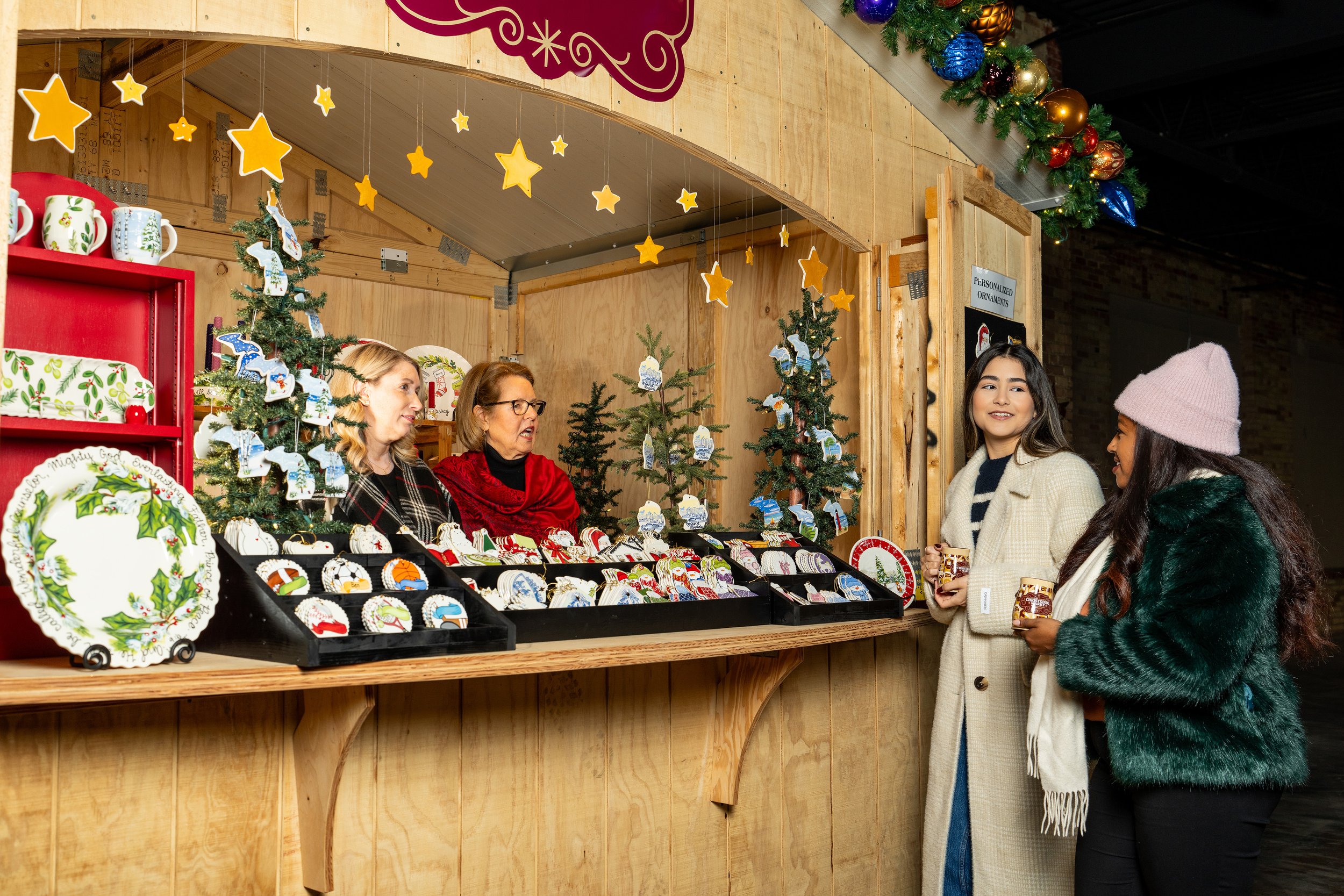
But Glühwein’s charm doesn’t stop at its flavor. It carries the unmistakable scent of the season—spiced citrus, cinnamon, cloves, and a whisper of sweetness that drifts through snowy streets and festive plazas. One whiff can transport you instantly to a glowing Christmas market lined with wooden stalls, twinkling lights, and the soft sound of carols echoing between centuries-old buildings. The aroma alone seems to warm your hands before you ever hold the mug.

It’s also one of the few drinks that invites people to slow down. In a season that often feels rushed and over-scheduled, Glühwein encourages lingering conversations, shared laughter, and simple moments of joy. Whether enjoyed outdoors amid gently falling snow or indoors with candles flickering in the background, the ritual of sipping something warm and spiced creates an atmosphere of comfort that transcends geography and generations.
And as with all great traditions, Glühwein comes wrapped in stories—stories of ancient empires, medieval marketplaces, regional pride, and evolving holiday customs. The drink has traveled through time, adapting and flourishing while preserving its essence: warmth, community, and celebration. Its journey from humble spiced wine to iconic holiday symbol is as rich and flavorful as the beverage itself.
But how did this spiced wine become Germany’s undisputed wintertime classic?
Let’s raise a mug and enjoy the story.
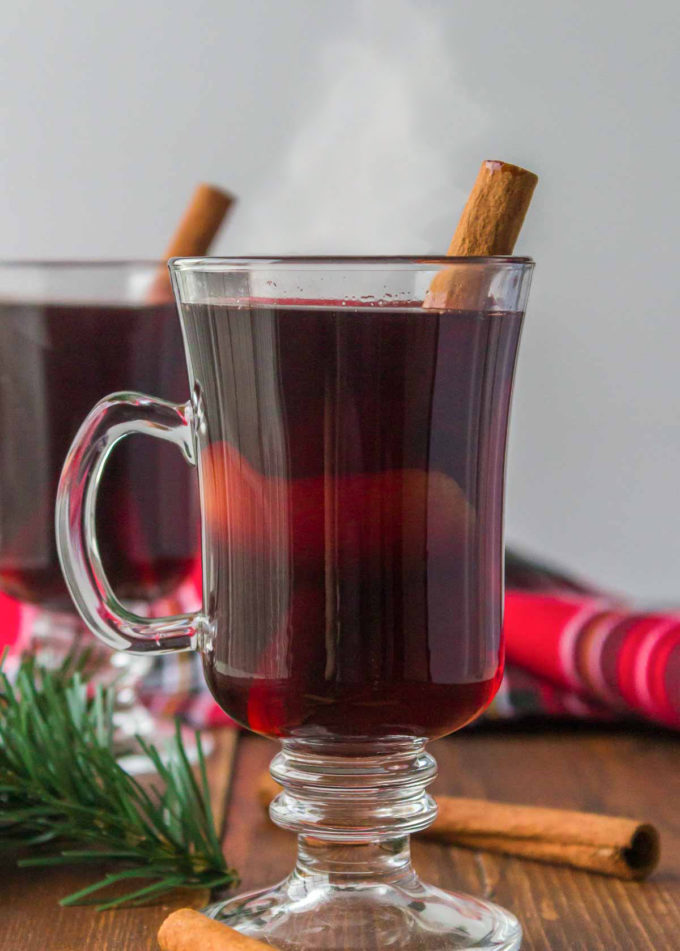

Few beverages capture the magic of winter quite like Glühwein—that steaming, fragrant, ruby-red elixir that transforms chilly evenings into cozy celebrations. Whether you’re wandering through a German Weihnachtsmarkt, gathered with friends around a crackling fire, or recreating European holiday charm at home, Glühwein is more than a drink. It’s a tradition, a memory-maker, and a warm hug in a mug.
But how did this spiced wine become Germany’s undisputed wintertime classic?
Let’s raise a mug and enjoy the story.
What Exactly Is Glühwein?
At its simplest, Glühwein is mulled red wine gently heated with spices like cinnamon, cloves, orange, star anise, and sometimes a splash of brandy. The name literally means “glow wine”, referencing both the warm metal pokers once used to heat it—and the happy glow it gives those who sip it.

If pumpkin spice rules autumn, Glühwein reigns supreme from Advent through New Year’s Eve.
A Recipe Rooted in Ancient Rome
Glühwein may be a beloved German icon today, but its ancestry actually begins with the Romans, who heated and spiced wine as early as the 2nd century. When Roman soldiers marched across Europe, they brought the tradition with them—especially into the cold territories we now know as Germany.
The Romans believed mulled wine was not just tasty but health-boosting, capable of warding off cold, improving digestion, and even preventing illness. That sounds like wishful thinking, but one thing is for sure:
It made winter infinitely more enjoyable.
From Medieval Monks to Modern Markets
By the Middle Ages, warmed wine had become popular across German-speaking regions. Monks brewed it in monasteries, nobles served it at banquets, and merchants sold early versions in city squares. Each group added their own twist—more spices, fruit, honey, or herbs.
But the earliest documented recipe of what resembles modern Glühwein appeared in Germany in 1616, handwritten by Count Johann Kasimir of Pfalz-Zweibrücken. His version included wine, sugar, an assortment of spices… and, in true nobility fashion, the encouragement to enjoy it frequently.
He even commissioned a special silver Glühwein tankard, which still exists today.
The tradition only grew from there.