Beer Gardens and Bratwurst: German-American September Favorites
GERMAN HERITAGE USA | AFFILIATE DISCLAIMER: This post may or may not contain affiliate links which means we may receive a commission for purchases made through links. We will only recommend products that we have personally used or that we truly trust. Learn more on our Private Policy and Disclaimer Page located under our Terms Of Service tab above.
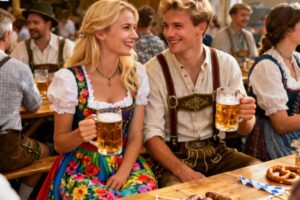
There’s something magical about September in America. The days are still warm, the nights turn crisp, and towns across the country come alive with the sound of polka music, the laughter of families, and the clinking of frosty beer steins.
For German Americans—and anyone who loves a good time—September means one thing: Oktoberfest season.
Across big cities and small towns alike, festival tents go up, beer gardens fill with music, and the savory aroma of bratwurst sizzling on the grill drifts through the air. It’s a time when communities gather not only to celebrate German traditions but also to share them with neighbors and friends, creating a joyful blend of old-world culture and new-world hospitality.
Beyond the festivities, Oktoberfest is also a reminder of heritage and history. Each stein raised and each polka danced carries with it generations of immigrant stories—of resilience, hope, and the simple joy of bringing people together. September becomes more than a month on the calendar; it’s a season of pride, connection, and celebration.
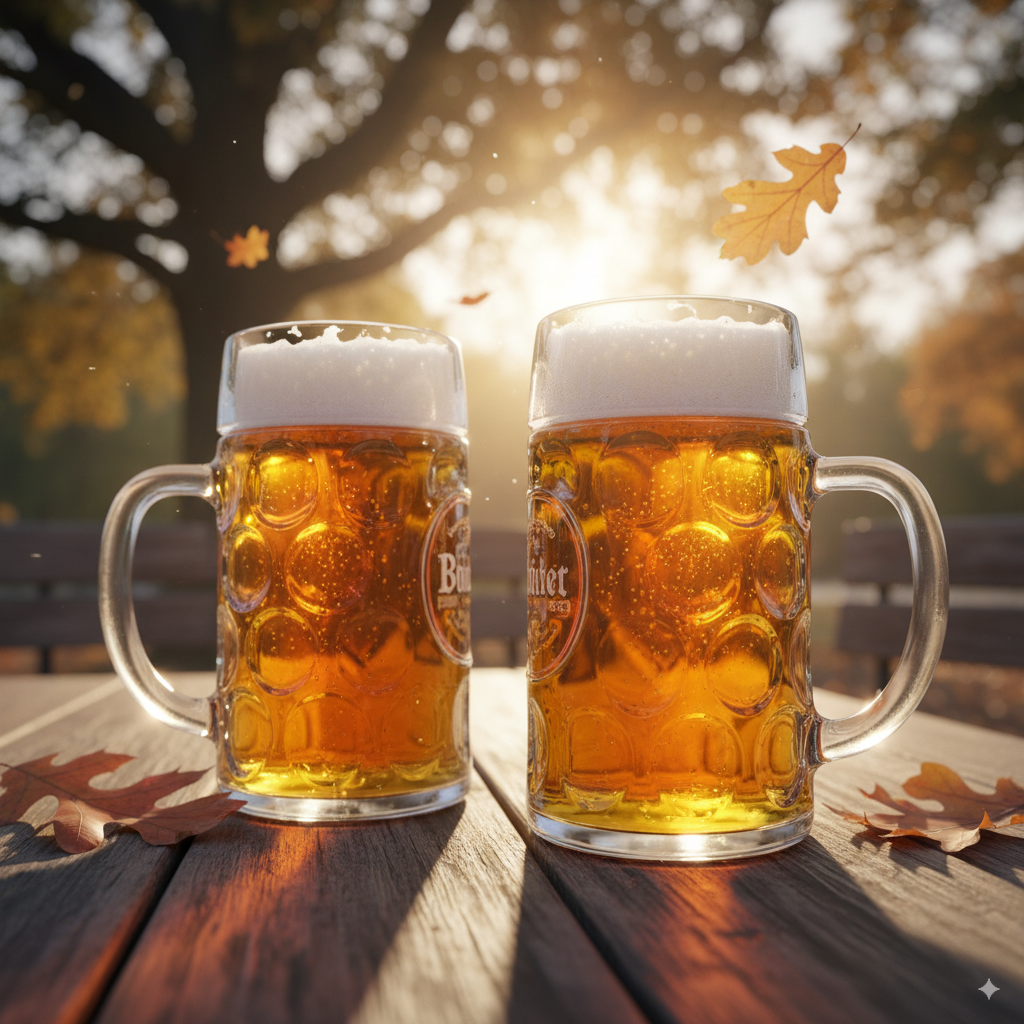
But Oktoberfest is just the beginning. Across America, German heritage shines brightest in September through beer gardens, bratwurst festivals, polka dances, and community gatherings that bring Old World traditions into New World celebrations.
This is the story of why beer gardens and bratwurst remain two of the most cherished September favorites, and how they represent much more than food and drink—they are symbols of community, heritage, and joy.
From Munich to Main Street: The Oktoberfest Tradition
Oktoberfest began in Munich, Germany, in 1810, celebrating the marriage of Crown Prince Ludwig to Princess Therese of Saxe-Hildburghausen. What started as a royal wedding party grew into the world’s largest folk festival.
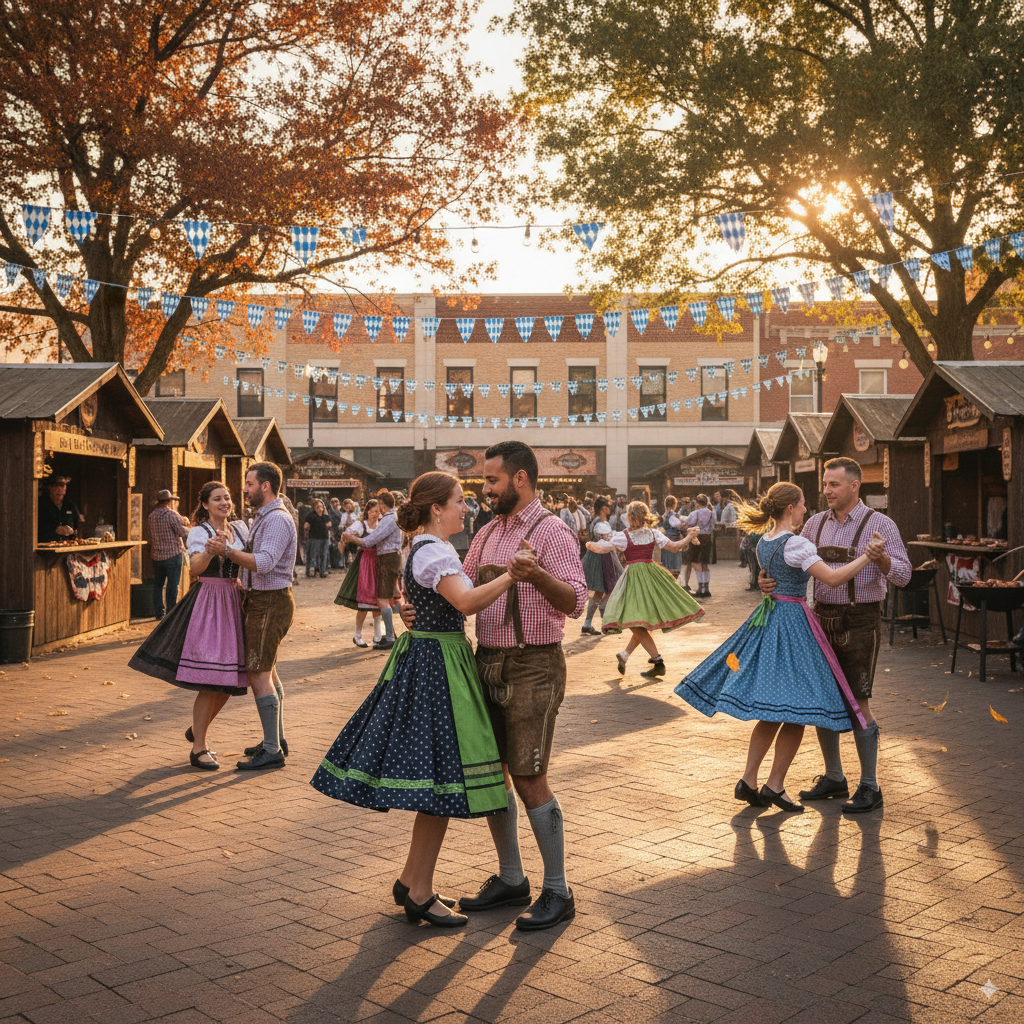
When German immigrants came to America, they brought this joyful tradition with them. By the late 1800s, Oktoberfest celebrations were popping up in places like Cincinnati, Milwaukee, St. Louis, and New Braunfels, Texas.
Today, September in America is dotted with Oktoberfests both big and small:
- Oktoberfest Zinzinnati (Cincinnati, Ohio): The largest Oktoberfest in the U.S., drawing half a million visitors.
- Milwaukee Oktoberfest (Wisconsin): A city built by German brewers, celebrating its heritage with beer, bratwurst, and bands.
- Wurstfest (New Braunfels, Texas): A November festival with September-style spirit, honoring Texas-German heritage.
- Leavenworth, Washington: A Bavarian-themed town that transforms into a postcard of Germany each fall.
Wherever you go, the combination of beer, bratwurst, and gemütlichkeit (coziness and good cheer) is always the same.
The Beer Garden: America’s German Living Room
If Oktoberfest is the festival, the beer garden (Biergarten) is its year-round cousin. Originating in Bavaria in the 19th century, beer gardens were outdoor spaces where families and friends gathered to enjoy beer, pretzels, sausages, and music under shady chestnut trees.
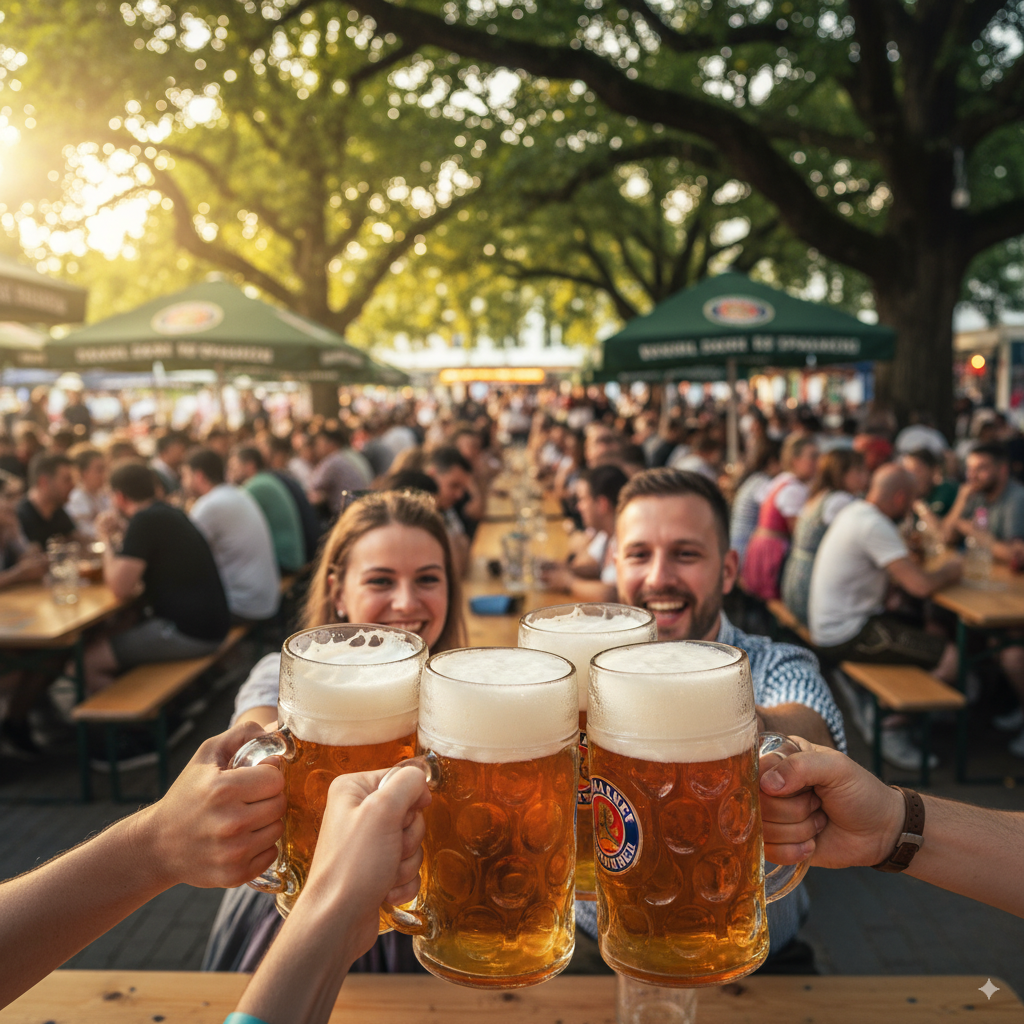
When Germans came to the U.S., they recreated beer gardens as community spaces. In an age before air conditioning, beer gardens were cool retreats. Families could relax, children could play, and neighbors could connect.
Why Beer Gardens Became American Favorites
- Community First: Unlike bars, beer gardens welcomed families—grandparents, parents, and children.
- Food and Music: Sausages, potato salad, pretzels, and polka bands gave them festive flair.
- Affordability: Beer gardens offered simple, good food and drinks at prices working families could enjoy.
- Outdoor Joy: The mix of fresh air and social spirit made beer gardens beloved summer and fall traditions.
Today, historic beer gardens still exist, like the Bohemian Hall & Beer Garden in Astoria, Queens (founded 1910) and the Biergarten at Anheuser-Busch in St. Louis. Modern craft breweries have also embraced the tradition, making beer gardens cool again for a new generation.
Bratwurst: The Star of the German-American Grill
No September celebration would be complete without bratwurst. This savory sausage, made from pork, beef, or veal and seasoned with spices like nutmeg and caraway, is more than just a meal—it’s a heritage icon.
Bratwurst in Germany
- First recorded in 1313 in Nuremberg, bratwurst quickly spread across
- Germany, with each region putting its own twist on the recipe.
- Nuremberg’s bratwurst is famously small and thin, served three to a roll.
- Thuringian bratwurst is larger, seasoned heavily with marjoram.
Bratwurst in America
German immigrants introduced bratwurst to the Midwest, especially in Wisconsin, where it became a statewide obsession. The city of Sheboygan calls itself the “Bratwurst Capital of the World,” hosting a bratwurst festival every summer.
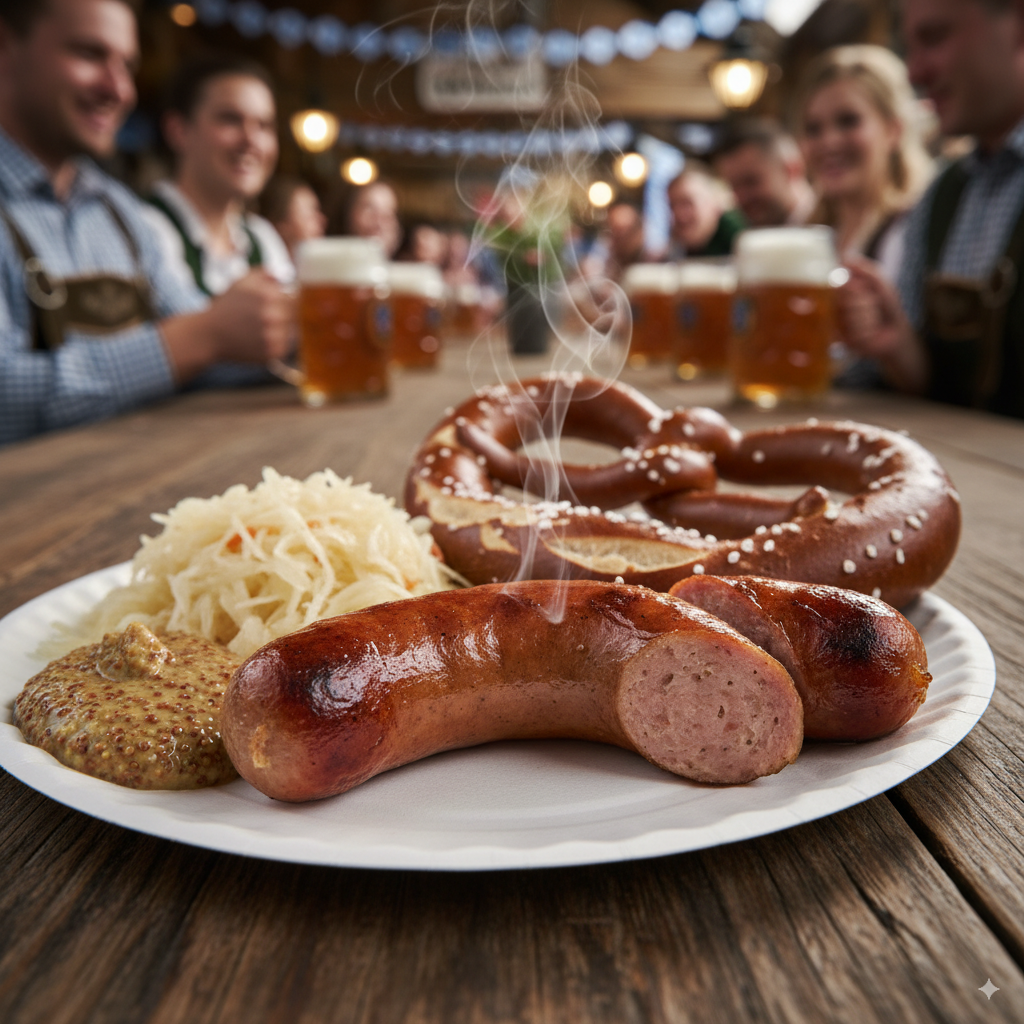
Today, bratwurst is a September staple at every Oktoberfest and tailgate party across the nation. Whether grilled, boiled in beer, or topped with sauerkraut and mustard, brats are a flavorful bridge between Old World recipes and New World traditions.
September Favorites: What Makes the Season Special
September is the month when German-American traditions truly shine. Here are the favorites that make it unforgettable:
1. Beer and Prost!
Seasonal brews like Märzen (a rich amber lager originally brewed in March and stored for autumn) dominate Oktoberfest celebrations. Craft breweries across America now release their own Oktoberfest beers each September, bringing a taste of Bavaria to every city.
2. Sausages Galore
From bratwurst to knackwurst, sausages are the star of the season. Food tents serve them grilled, smoked, or simmered in beer. Pair them with potato pancakes, pretzels, and sauerkraut, and you’ve got a meal fit for a festival.
3. Music and Dance
Polka bands, oompah music, and folk dancing keep the atmosphere lively. Many towns feature traditional German dances like the Schuhplattler, where dancers slap their shoes, thighs, and knees in rhythm.
4. Costumes and Culture
Dirndls and lederhosen bring color and authenticity to celebrations. Meanwhile, cultural exhibits—like German crafts, genealogy booths, and folk art—remind visitors of the heritage behind the fun.
5. Community Spirit
Perhaps the most enduring September favorite is the spirit of gemütlichkeit—that warm feeling of belonging and joy. Whether in a small-town beer garden or a massive city festival, people come together in friendship.
German-American Cities that Shine in September
Want to experience the best of German-American September traditions? Here are a few top destinations:
- Cincinnati, Ohio: Oktoberfest Zinzinnati boasts the “Running of the Wieners,” where dachshunds race in hot dog costumes.
- Milwaukee, Wisconsin: The city’s German Fest in late summer blends seamlessly into September beer garden culture.
- Fredericksburg, Texas: German heritage meets Texas flair with live music, sausage-making, and wine tastings.
- Frankenmuth, Michigan: Known as “Little Bavaria,” this town hosts Bavarian festivals that draw crowds year-round.
- Helen, Georgia: A Bavarian-style alpine village in the Blue Ridge Mountains, Helen’s Oktoberfest runs for weeks each fall.
Beyond Food and Drink: Why September Traditions Matter
Beer gardens and bratwurst are more than delicious—they symbolize something deeper:
- Heritage Preservation: Celebrations connect younger generations to their German roots.
- Economic Impact: Festivals bring millions of tourism dollars to local communities.
- Cultural Exchange: Oktoberfest isn’t just for German Americans—it welcomes everyone to join the fun.
- Seasonal Rhythm: These traditions mark the turning of the year, bridging summer warmth with autumn harvest.
Inspiring German-American Stories for September
Behind every bratwurst and beer stein are stories of German-American resilience and pride.
- Immigrant Brewers: Adolphus Busch and Frederick Pabst built brewing empires that defined American beer.
- Community Builders: German societies created clubs, singing groups, and festivals that still thrive today.
- Everyday Families: Generations of German Americans who passed down recipes, songs, and traditions to their children, keeping September favorites alive.
A Taste of Tradition at Home
You don’t have to travel to Munich or even Cincinnati to celebrate September the German-American way. Try bringing Oktoberfest home:
- Cook Bratwurst: Grill brats, simmer them in beer and onions, or make a bratwurst stew.
- Bake Pretzels: Soft, salty pretzels with mustard or cheese dip.
- Play Polka: Queue up some oompah music and learn a simple polka step.
- Raise a Stein: Pour a Märzen lager or a non-alcoholic apple cider and toast “Prost!” with friends.
- Decorate Festive: Blue-and-white Bavarian flags, flower crowns, and string lights set the mood.
Old World Charm, New World Fun
September favorites like beer gardens and bratwurst are proof that traditions can be both timeless and ever-evolving. Rooted in centuries of German culture, they have adapted beautifully to American life—becoming not just German-American celebrations, but truly American celebrations with German flavor.
So, this September, whether you’re at a bustling Oktoberfest or grilling bratwurst in your backyard, take a moment to appreciate the deeper meaning: community, heritage, and joy.
Raise your stein high, take a hearty bite of bratwurst, and join millions of German Americans in saying:
“Prost! To heritage, happiness, and September favorites.”
Conclusion
German-American September favorites are more than seasonal traditions—they are living expressions of culture. From beer gardens shaded by oak trees to sizzling bratwurst served with mustard and sauerkraut, these joys connect us to a history of resilience, creativity, and celebration.
This September, step into a beer garden, dance to a polka tune, share a bratwurst with friends, and carry forward the spirit of gemütlichkeit. Because heritage tastes best when shared.