
Oktoberfest Music, Polka, and Culture: The German Sound of September
GERMAN HERITAGE USA | AFFILIATE DISCLAIMER: This post may or may not contain affiliate links which means we may receive a commission for purchases made through links. We will only recommend products that we have personally used or that we truly trust. Learn more on our Private Policy and Disclaimer Page located under our Terms Of Service tab above.
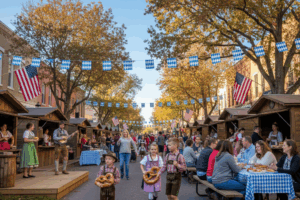
Oktoberfest celebrations are in full swing across the United States, with millions of Americans coming together to embrace the spirit of Bavarian culture. From New York City to San Francisco or Nashville, cities large and small are hosting elaborate Oktoberfest festivals, where beer tents brim with steins of Märzen, and crowds feast on bratwurst, schnitzel, and fresh-baked pretzels.
These events offer more than just food and drink — they create a festive atmosphere where people wear traditional dirndls and lederhosen, participate in stein-holding contests, and gather for ceremonial keg tappings to kick off the party. One of the largest and most iconic Oktoberfest celebrations in the U.S. takes place in Cincinnati, Ohio, where “Oktoberfest Zinzinnati” draws hundreds of thousands of attendees annually. This event transforms the heart of downtown into a vibrant Bavarian village, complete with sausage races, chicken dances, and a wide array of German and German-American culinary delights.

The celebration is a reflection of the city’s deep German roots, as Cincinnati was once home to one of the largest German-American populations in the country. This heritage lives on through traditions passed down from generation to generation.
Oktoberfest Across the USA
Across the nation, the sound of lively polka music and brass-filled Oompah bands fills the air, echoing through beer gardens and town squares alike. Musicians perform on outdoor stages while dancers in traditional attire whirl to the rhythms of folk tunes that have been staples of German culture for centuries. These musical traditions are a cornerstone of Oktoberfest, bridging the gap between generations and creating an atmosphere of joy and shared cultural appreciation that transcends language and background.
Oktoberfest has firmly cemented its place in the landscape of American cultural events, evolving beyond its Munich origins into a uniquely American tradition that celebrates German heritage while inviting everyone to join the fun. From the mountains of Colorado to the beaches of Florida, cities are adding their own local flair to the festivities — integrating regional foods, craft brews, and family-friendly entertainment. The result is a diverse and inclusive celebration that unites communities across the country in a joyful toast to good food, good company, and timeless tradition.
Key Takeaways
- Oktoberfest is a significant cultural event celebrating German heritage.
- Bavarian Oompah Bands are a staple of Oktoberfest celebrations.
- Polka music plays a crucial role in traditional Oktoberfest festivities.
- Oktoberfest has become a popular cultural event in the United States.
- German Heritage USA organizations work to preserve and promote German cultural traditions.
The Origins and Evolution of Oktoberfest
Oktoberfest, one of the world’s most celebrated festivals, has its roots in a significant historical event. The origins of Oktoberfest are rooted in a royal wedding celebration that took place in 1810.
From Royal Wedding to Global Celebration
The first Oktoberfest was held on October 12, 1810, in Munich, Bavaria, to commemorate the marriage of Prince Ludwig and Princess Therese. The festivities were a grand success, featuring horse races, music, and dancing, setting the stage for an annual tradition.
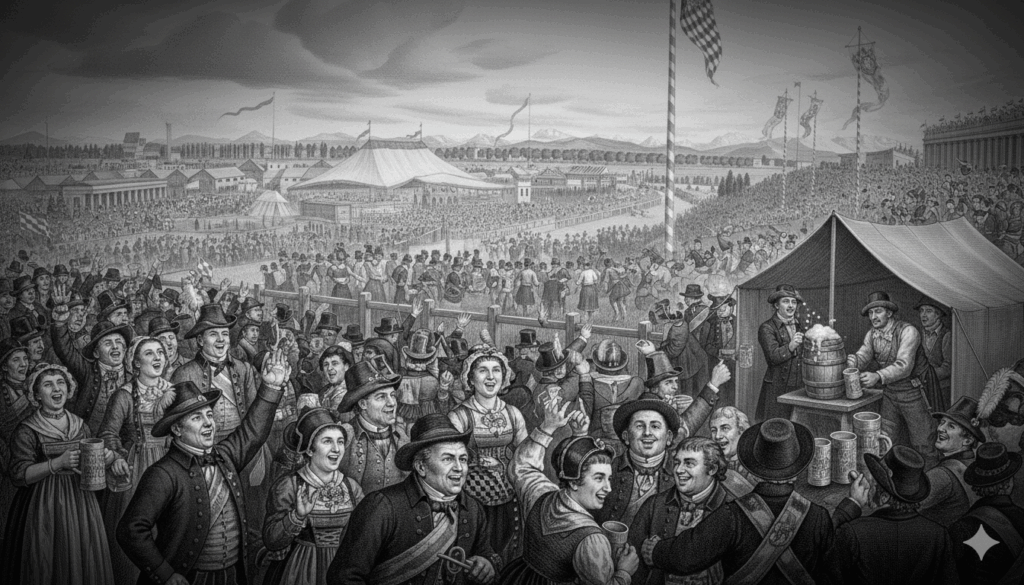
The First Oktoberfest in 1810
The initial celebration was a five-day event that concluded with a horse race. The success of this event led to its repetition the following year, establishing the foundation for what would become an enduring cultural tradition.
Evolution into a Cultural Phenomenon
Over the years, Oktoberfest evolved, incorporating various cultural elements. It became a celebration not just of the royal wedding but of Bavarian culture as a whole. Traditional music, folk dances, and local cuisine became integral parts of the festivities.
The Munich Tradition and Its Worldwide Spread
Oktoberfest remained a local Munich tradition for many years before gaining international recognition. Today, it is celebrated not only in Germany but around the world, with various countries adapting the festival to their own cultural contexts.
Some of the key elements that have contributed to Oktoberfest’s global spread include:
- Traditional Bavarian music and dance
- Authentic German cuisine and beer
- Cultural exchange and community events
Oktoberfest has come a long way from its origins as a royal wedding celebration. It has become a symbol of German heritage and a cultural phenomenon enjoyed globally.
German Heritage in the USA: A Lovely Cultural Tapestry
German heritage in the USA is a vibrant tapestry woven from the threads of history,
culture, and tradition. This rich cultural heritage has been shaped by significant waves of German immigration to America, contributing to the diverse fabric of US society.
Waves of German Immigration to America
German immigration to the United States has occurred in several waves, each leaving its mark on American culture.
19th Century Immigration Patterns
During the 19th century, many Germans immigrated to the United States, driven by economic hardship and political unrest. They brought with them their customs, language, and traditions, which integrated into the American cultural landscape.
Post-World War Migrations
Following World War II, another significant wave of German immigration occurred, with many Germans moving to the United States. This migration further enriched American culture with German values and practices.
The Impact of German-Americans on US Culture
German-Americans have had a profound impact on US culture, contributing to its diversity and richness. Their influence can be seen in various aspects of American life, from cultural festivals like Oktoberfest to traditional foods and beverages.
Oktoberfest celebrations across the United States are a testament to the enduring legacy of German culture. These events feature traditional German music, dance, food, and beer, attracting participants from diverse backgrounds.
Demographics and Distribution Today
Today, millions of Americans claim German ancestry, making it one of the largest ethnic groups in the country. The distribution of German-Americans varies, with significant populations found in the Midwest, particularly in states
like Ohio, Indiana, and Wisconsin.
| State | Percentage of Population with German Ancestry |
| North Dakota | 43.8% |
| South Dakota | 40.7% |
| Wisconsin | 38.4% |
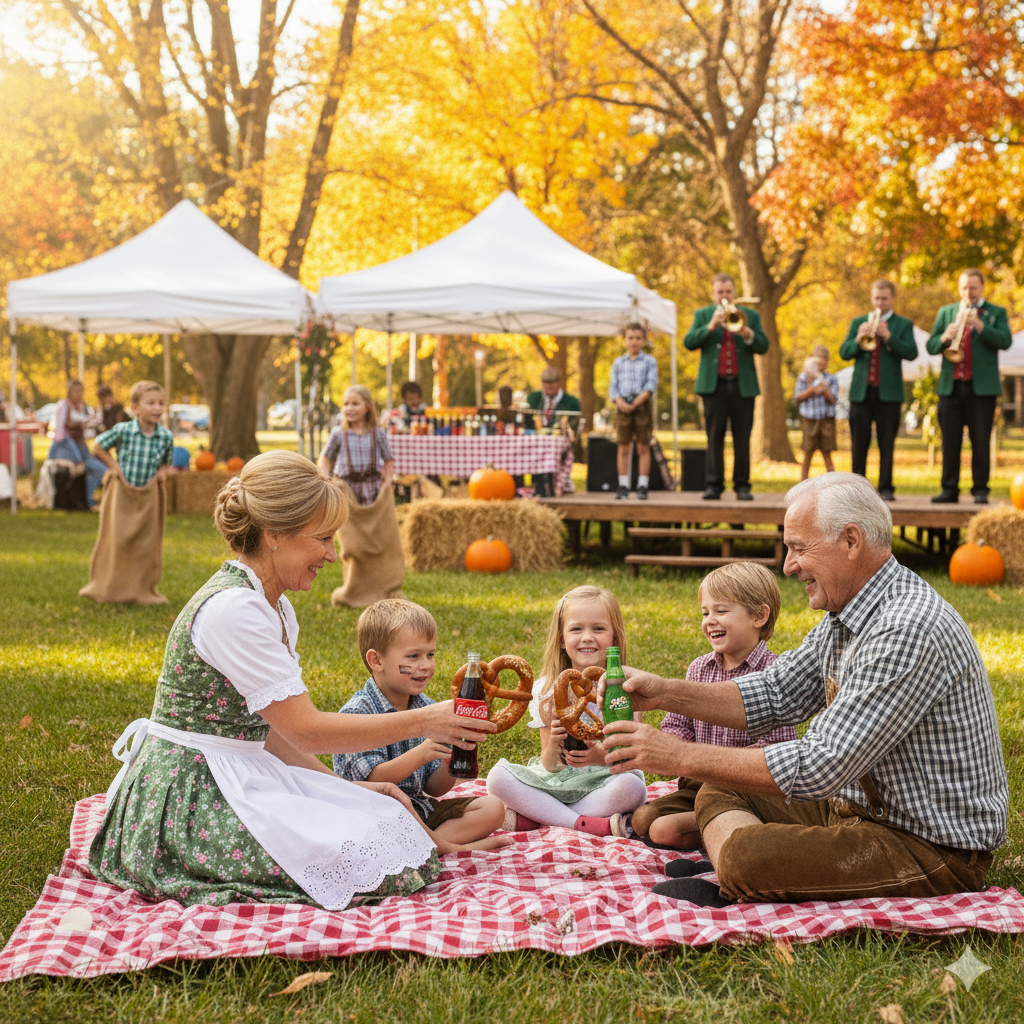
Your German Heritage
German heritage continues to play a significant role in shaping American culture, from festive celebrations to everyday traditions. Understanding and appreciating this heritage enriches our understanding of the complex cultural tapestry that is America.
The Heart of Oktoberfest: Traditional Bavarian Music
Oktoberfest is unthinkable without the lively melodies and infectious rhythms of Bavarian folk music. This traditional music is the backbone of Oktoberfest celebrations worldwide, creating an atmosphere of joy and camaraderie.
Defining the Authentic Oktoberfest Sound
The authentic Oktoberfest sound is characterized by its upbeat tempo and the use of traditional instruments. Brass instruments like trumpets and trombones play a crucial role in creating the festive atmosphere, while the accordion adds a unique flavor to the music.
Key Instruments in Bavarian Folk Music
The Role of Brass Instruments
Brass instruments are integral to Bavarian folk music, providing the loud, clear sound that can be heard across the Oktoberfest grounds. Trumpets and trombones are particularly popular, often playing the melody in traditional Bavarian songs.
Accordion and String Traditions
The accordion is another key instrument in Bavarian music, adding a rich, layered sound to the folk tunes. String instruments like the guitar and zither also contribute to the musical heritage, often providing a rhythmic accompaniment to the brass sections.
Famous Traditional Songs and Their Meanings
Traditional Bavarian songs like “Ein Prosit” and “Roll Out the Barrel” are staples of Oktoberfest celebrations. These songs are not just fun drinking anthems; they have deep roots in Bavarian culture, often celebrating themes of friendship and community.
In the United States, German or Bavarian Oompah Bands have become a significant part of Oktoberfest festivities, bringing the traditional sounds to American audiences. These bands keep the spirit of Bavarian music alive, performing at Oktoberfest events across the country.
How German & Bavarian Music Transformed America
As German immigrants settled in America, their musical traditions, particularly polka, evolved into a distinct cultural identity. The polka revolution in America was characterized by the blending of traditional German music with local influences, creating a unique sound that resonated with diverse communities.

The Evolution of German Polka in American Communities
German polka music underwent significant changes as it adapted to American culture. The traditional German polka, characterized by its lively rhythm and accordion-based melody, merged with American musical styles, resulting in a fresh and vibrant sound. This evolution was driven by German-American communities who sought to preserve their heritage while embracing their new cultural context.
Key factors influencing this evolution included:
- The availability of new musical instruments and styles
- The cultural exchange between German-Americans and other ethnic groups
- The adaptation of traditional German music to American tastes
Regional Variations and Influences
The evolution of German polka in America was distinct and varied, developing unique regional characteristics influenced by individual cultural and historical contexts.
Midwestern Polka Styles
The Midwest, known for its significant German-American population, emerged as a center for polka music. This region’s polka style is distinguished by a strong emphasis on the accordion and a lively, danceable rhythm. Influential bands like Brahm’s Boys and musicians such as Walter Ostanek played a key role in shaping this distinctive style..
Texas German Polka Traditions
In Texas, German polka traditions merged with local music styles, creating a unique blend. The Texas German polka scene was marked by its use of the accordion and the incorporation of Tex-Mex musical elements. This regional variation highlights the adaptability and creativity of German-American musicians.
Notable German-American Polka Musicians and Bands
Several German-American polka musicians and bands played a pivotal role in popularizing polka music throughout America. Notable figures such as Frankie Yankovic, often referred to as “The Polka King,” along with bands like Slavko Avsenik und seine Original Oberkrainer, were instrumental in introducing German polka to a broader audience.
“Polka music is not just about the melody; it’s about the community and the joy it brings to people.” – Frankie Yankovic
Their contributions not only preserved German musical heritage but also introduced it to new generations of Americans, ensuring the continued relevance and appeal of polka music.
German or Bavarian Oompa Pah Bands in America
The lively rhythms of German or Bavarian Oompa Pah bands have become a staple at American Oktoberfest celebrations. These bands bring the authentic spirit of Bavarian music to the United States, creating an immersive cultural experience for attendees.
What Makes an Authentic Oompa Pah Band
Authenticity is key when it comes to Oompa Pah bands. Two crucial elements define their authenticity: traditional instrumentation and lively performance styles.
Traditional Instrumentation
Oompa Pah bands are characterized by their use of traditional instruments such as:
- Brass instruments (trumpets, trombones)
- Accordions
- Tubas and other brass bass instruments
- Drums and other percussion elements
These instruments come together to create the distinctive sound associated with Bavarian folk music.
Performance Styles and Presentation
The performance style of Oompa Pah bands is just as important as their instrumentation. Energetic stage presence and interactive engagement with the audience are hallmarks of an authentic performance. The bands often wear traditional Bavarian attire, adding to the festive atmosphere.
Famous Oompa Pah Bands Across the United States
Several Oompa Pah bands have gained popularity across the United States, including:
- The Alpine Band
- Blaskapelle Oberbayern
- Polka Chorzyna
These bands are known for their authentic sound and entertaining performances, making them favorites at Oktoberfest celebrations nationwide.
Finding and Enjoying Live Performances
To experience the energy of an Oompa Pah band live, look for Oktoberfest events, German cultural festivals, and beer gardens in your area. Many cities host events featuring these bands, providing a fun and lively atmosphere for all ages.
Celebrating German Heritage USA: Iconic Communities
German heritage is alive and well in America, with towns like Leavenworth, Frankenmuth, and Helen standing out as beacons of cultural pride. These communities have embraced their German roots, creating vibrant cultural experiences that attract visitors from across the country.
Leavenworth, Washington: Bavaria in the Cascade Mountains
Leavenworth, Washington, is a prime example of a town that has transformed itself into a Bavarian-themed destination. Nestled in the Cascade Mountains, it offers a unique blend of natural beauty and German culture.
Annual Festivals and Musical Events
Leavenworth hosts numerous festivals throughout the year, with its Oktoberfest celebration being a highlight. The town is filled with traditional German music, dancing, and food, creating an immersive experience for visitors.
Frankenmuth, Michigan: Michigan’s Little Bavaria
Frankenmuth, Michigan, affectionately known as “Michigan’s Little Bavaria,” is another iconic German-American community. It boasts a rich cultural heritage, reflected in its architecture, cuisine, and annual events.
Musical Traditions and Performances
The town is known for its lively musical traditions, featuring traditional Bavarian bands and polka performances. These events are an integral part of Frankenmuth’s cultural identity, entertaining locals and visitors alike.
Helen, Georgia: Alpine Charm in the South
Helen, Georgia, brings a touch of Alpine charm to the southern United States. This quaint town has become a popular destination for those seeking a German-inspired getaway.
Other Notable German-American Communities
Beyond Leavenworth, Frankenmuth, and Helen, there are numerous other German-American communities across the USA. Towns like New Ulm, Minnesota, and Hermann, Missouri, also celebrate their German heritage with pride, hosting festivals and preserving cultural traditions.
Beyond the Music: Cultural Elements of American Oktoberfest
Oktoberfest celebrations in America are a vibrant showcase of German culture, extending far beyond the music. These festivities have become an integral part of American cultural heritage, blending traditional German elements with local flavors.
Traditional Costumes: Dirndls and Lederhosen
Traditional German attire plays a significant role in Oktoberfest celebrations. Dirndls and
Lederhosen are not just costumes; they represent a connection to German heritage. Many participants dress in these traditional outfits, adding to the festive atmosphere.
Dances, Performances, and Cultural Events
Dances and performances are crucial to the Oktoberfest experience. They range from traditional folk dances to modern interpretations.
The Chicken Dance and Other Favorites
The Chicken Dance is a favorite at Oktoberfest celebrations. Other popular dances include the polka and the waltz, often performed to traditional German music.
Schuhplattler and Traditional Dance Groups
Schuhplattler groups, known for their energetic slapping of soles, thighs, and knees, are a highlight of many Oktoberfest events. These traditional dance groups help keep the cultural heritage alive.
Games and Activities
Oktoberfest celebrations in America often include a variety of games and activities that add to the festive atmosphere. These can range from traditional German games like Schafkopf to more modern activities like stein-holding contests.
A Feast for the Senses: German Food and Drink Traditions
As Oktoberfest festivities unfold across America, the aroma of traditional German dishes fills the air. The celebration is not just about music and merriment; it’s also a culinary journey through Germany’s rich gastronomic heritage.
Iconic Oktoberfest Foods in America
Traditional German foods are at the heart of Oktoberfest celebrations. Bratwurst, pretzels, and sauerkraut are staples that are often enjoyed with a cold beer.
Bratwurst, Pretzels, and Sauerkraut
Bratwurst, a type of German sausage, is grilled to perfection and served with a soft pretzel and a side of tangy sauerkraut. This classic combination is a favorite among crowds at Oktoberfest events.
Regional Specialties and Adaptations
While traditional dishes are beloved, regional specialties and adaptations also play a significant role in Oktoberfest celebrations across America. From Bavarian-style schnitzel to German-American fusion dishes, the culinary landscape is diverse and vibrant.
Beer Traditions and American Craft Adaptations
No Oktoberfest celebration is complete without beer. Traditional German breweries have influenced American craft breweries, leading to the creation of Oktoberfest beers that are both authentic and innovative.
Regional German-American Culinary Specialties
Different regions in the United States have their own German-American culinary specialties. For instance, the Midwest is known for its hearty German-inspired comfort food, while the West Coast often incorporates fresh, local ingredients into traditional German dishes.
Conclusion: Preserving and Celebrating German Musical Heritage Today
Preserving German musical heritage is essential for maintaining the cultural traditions that have been passed down through generations. Oktoberfest celebrations across the United States not only showcase the rich cultural tapestry of German-American communities but also highlight the importance of traditional Bavarian music and polka.
The cultural exchange between Germany and America has enriched the musical landscape, with German-American communities playing a vital role in shaping the country’s cultural identity. By celebrating German heritage and preserving these cultural traditions, we can promote cross-cultural understanding and appreciation.
As we look to the future, it is essential to continue supporting and celebrating German musical heritage, ensuring that the traditions and customs associated with Oktoberfest continue to thrive. By doing so, we can preserve the unique cultural heritage that has been passed down and promote a deeper understanding of the importance of preserving cultural traditions.