
From Pennsylvania Dutch Country to Texas Hill Country: German Roots in Bloom
GERMAN HERITAGE USA | AFFILIATE DISCLAIMER: This post may or may not contain affiliate links which means we may receive a commission for purchases made through links. We will only recommend products that we have personally used or that we truly trust. Learn more on our Private Policy and Disclaimer Page located under our Terms Of Service tab above.
German Heritage in America is not confined to Oktoberfest tents or bratwurst stands—it is deeply woven into the landscapes, traditions, and communities that stretch across the country. From the rolling farmlands of Pennsylvania Dutch Country to the sun-drenched vineyards of Texas Hill Country, German influence has not only endured—it has blossomed.
The story begins in the 17th and 18th centuries, when waves of German immigrants sought religious freedom, fertile land, and new opportunities in the American colonies.
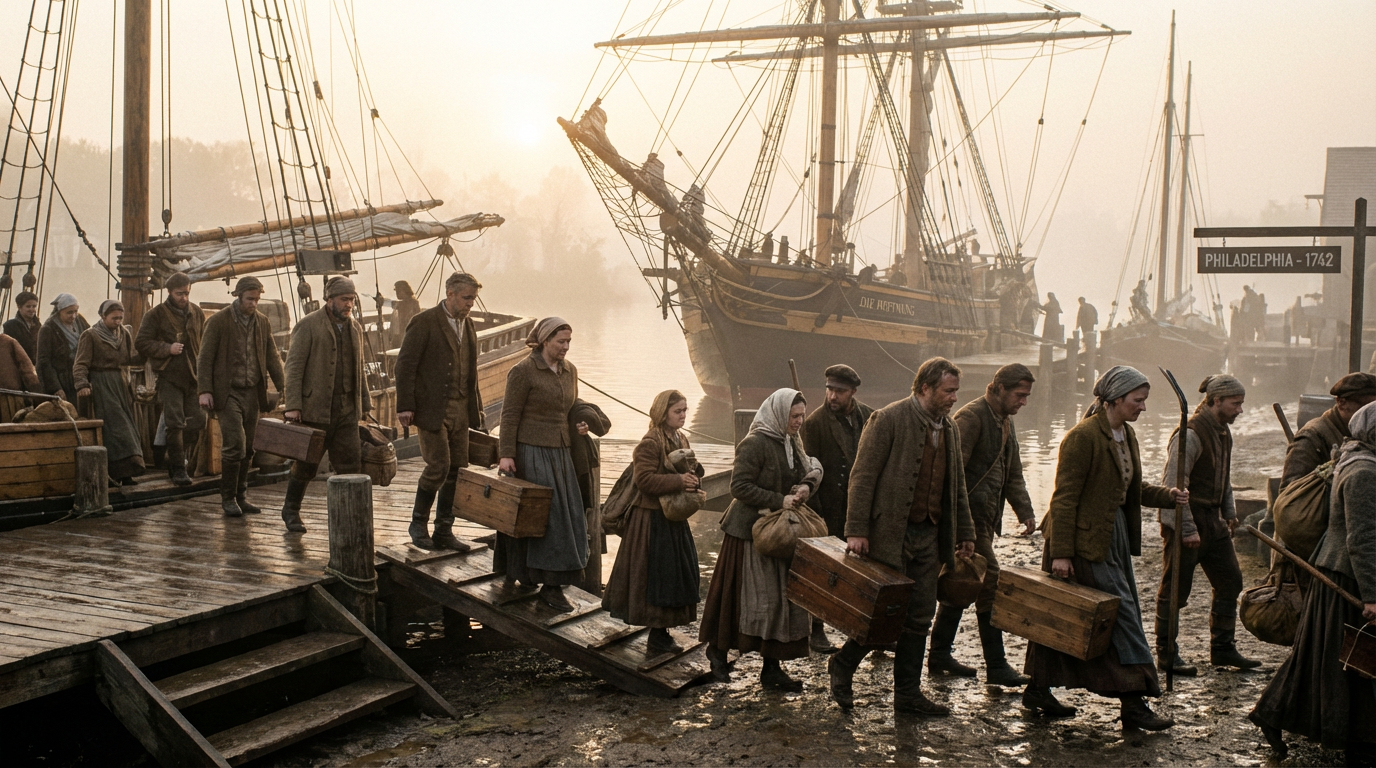
They brought with them more than just trunks and tools—they carried language, craftsmanship, farming techniques, recipes, and a deep sense of community. Over time, these traditions took root, adapted, and flourished in uniquely American ways.
Today, the legacy of these immigrants is alive in architecture, festivals, cuisine, and even dialects. It’s visible in hand-painted barns, heard in echoes of Pennsylvania Dutch speech, tasted in smoked sausages and fresh-baked breads, and felt in the pride of communities that still celebrate their heritage.
As one local historian in Lancaster once said:
“German culture didn’t just survive here—it became part of the American identity.”
And nowhere is that more evident than along this cultural corridor stretching from the Northeast to the South.
Pennsylvania Dutch Country: Where Tradition Took Root
Despite the name, “Pennsylvania Dutch” actually comes from the word Deutsch, meaning German. Settlers from regions like the Palatinate, Bavaria, and Switzerland arrived in the 1700s and built one of the most enduring German-American cultures in the United States.

In Lancaster County, tradition is not a museum piece—it’s a living, breathing way of life. The Amish and Mennonite communities, descendants of these early German-speaking settlers, continue to practice many of the customs their ancestors brought over centuries ago.
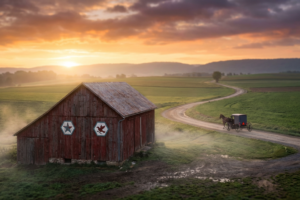
The landscape itself tells the story. Red barns adorned with colorful hex signs symbolize good luck and protection. Rolling farmland reflects centuries-old agricultural practices rooted in German efficiency and stewardship of the land.
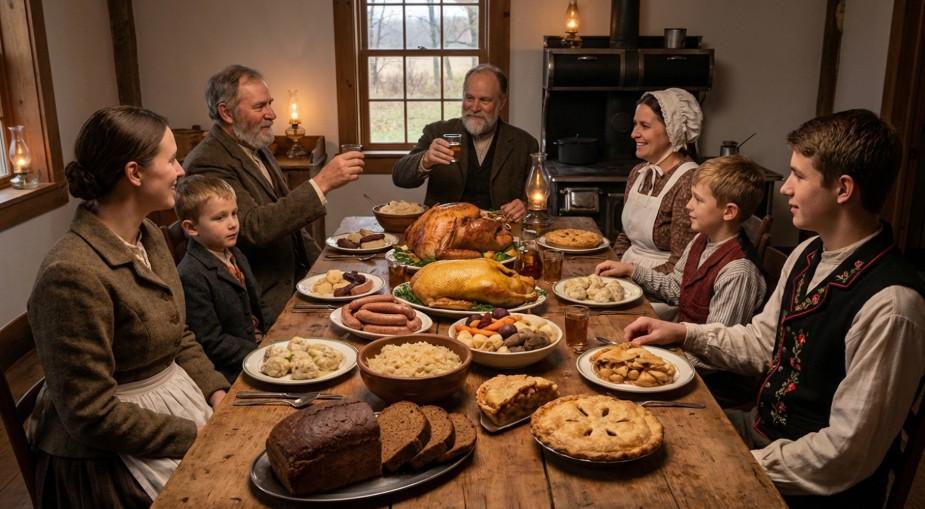
Food is another cornerstone of heritage here. Dishes like scrapple, shoofly pie, and hearty sausages reflect a blending of German roots with American adaptation. Meals are simple, filling, and rooted in family.
“We farm the way our grandparents did,” one Lancaster farmer shared. “Because it works—and because it means something.”
Craftsmanship, Community, and Faith
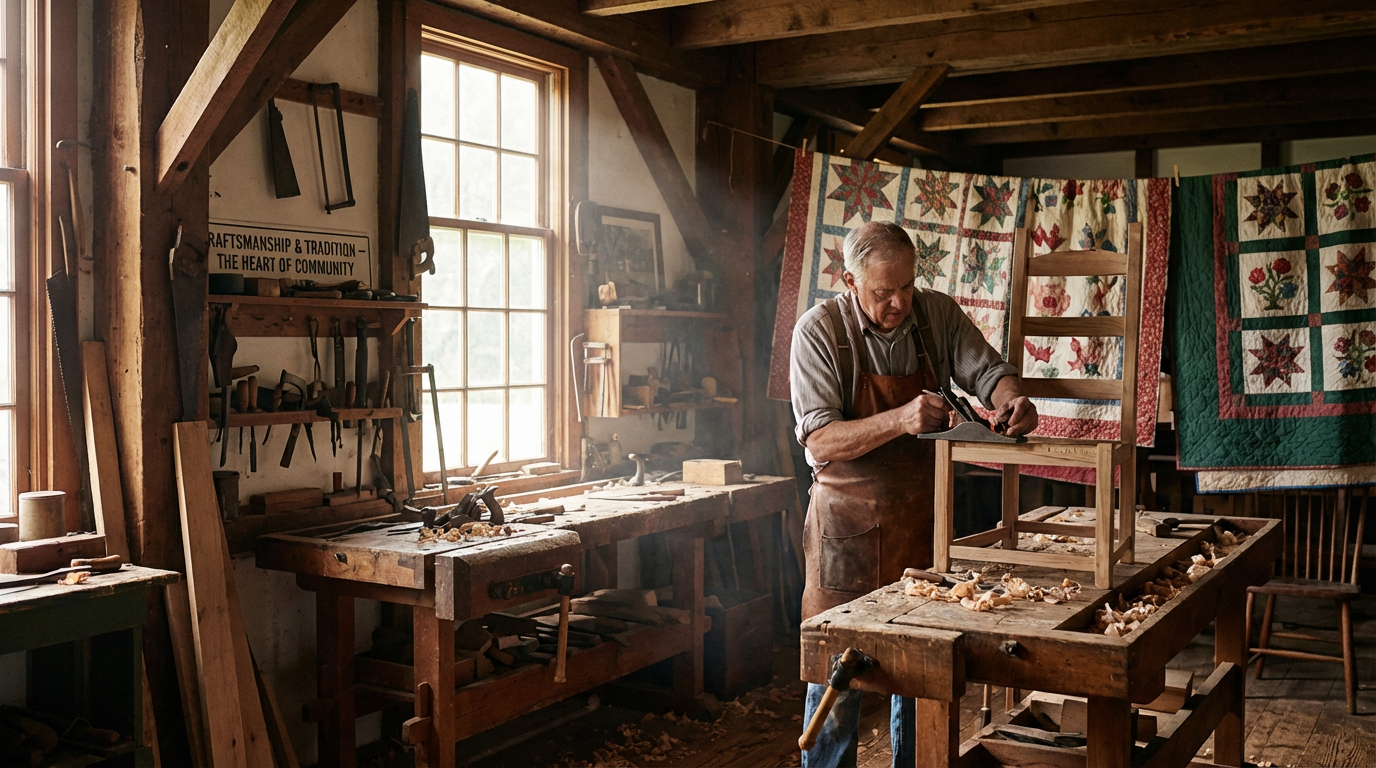
German settlers placed a strong emphasis on craftsmanship and community—a value system still evident today. Whether it’s quilting, woodworking, or blacksmithing, the precision and pride in each handmade item reflect generations of passed-down skill.

Churches and communal gatherings remain central to life in Pennsylvania Dutch Country. Faith, humility, and simplicity are guiding principles that shape everything from daily routines to major life decisions.
Even language persists. Pennsylvania Dutch, a dialect of German, is still spoken in some communities, serving as a living linguistic bridge to the past.
The Journey West: German Migration Expands
By the mid-1800s, German immigrants began moving westward, drawn by new opportunities and open land. They settled across the Midwest—Ohio, Indiana, Illinois, Missouri—and eventually into Texas.
This migration spread German influence across America, creating pockets of culture that remain distinct yet connected by shared roots.
Cities like Cincinnati, Milwaukee, and St. Louis became hubs of German-American life, known for breweries, music, and festivals. But perhaps no region embraced German identity quite like central Texas.
Texas Hill Country: A New Heimat in the South
In the 1840s, German immigrants established towns like Fredericksburg and New Braunfels, transforming the rugged Texas landscape into a thriving cultural enclave.
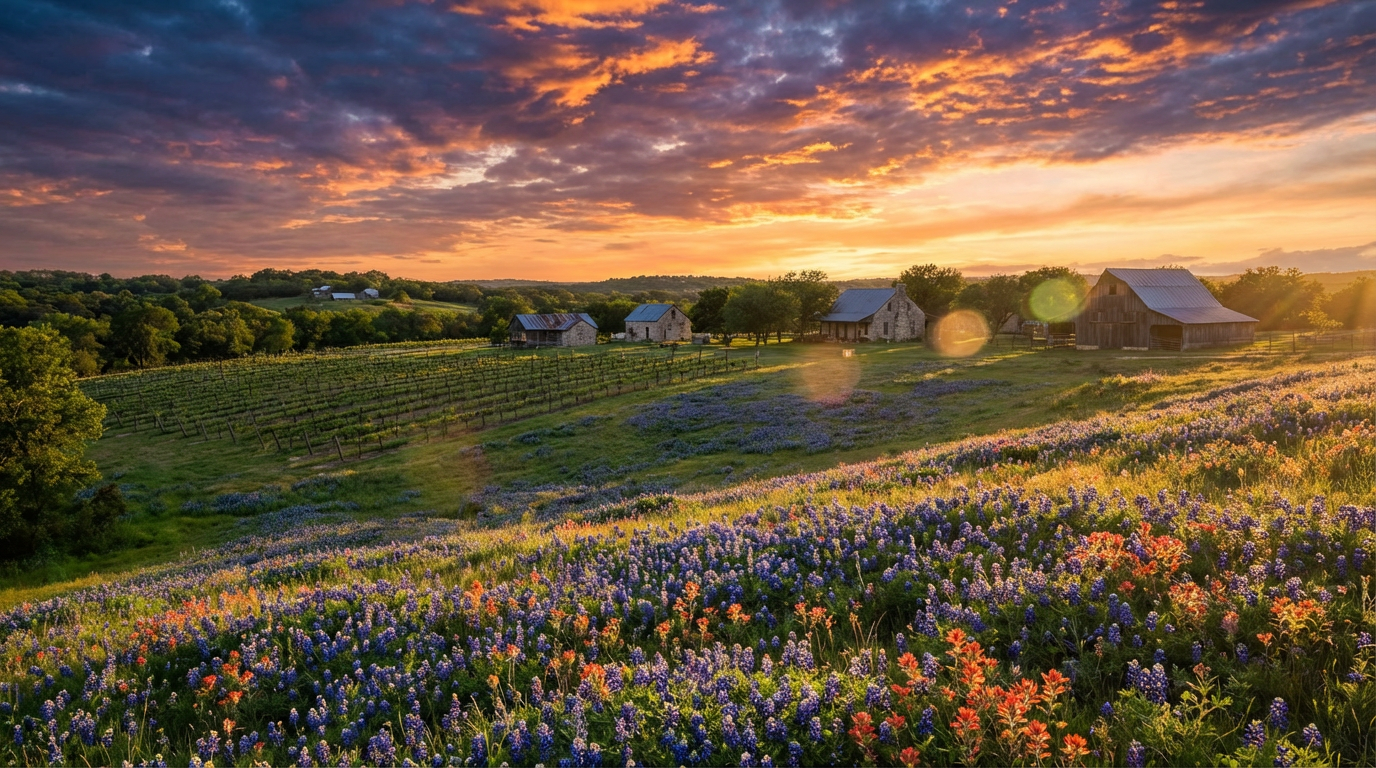
Here, German heritage took on a bold new character—blending Old World traditions with the spirit of the American frontier.
Fredericksburg still features stone buildings reminiscent of German villages, while New Braunfels hosts Wurstfest, one of the largest German festivals in the country. Music, dancing, and food bring thousands together each year in celebration.

Food, Festivals, and Flavor
If Pennsylvania Dutch Country is about preservation, Texas Hill Country is about celebration.
Food plays a starring role. Bratwurst, schnitzel, sauerkraut, and pretzels are staples, often paired with locally brewed beer or Texas wine. The flavors are bold, hearty, and deeply rooted in tradition.
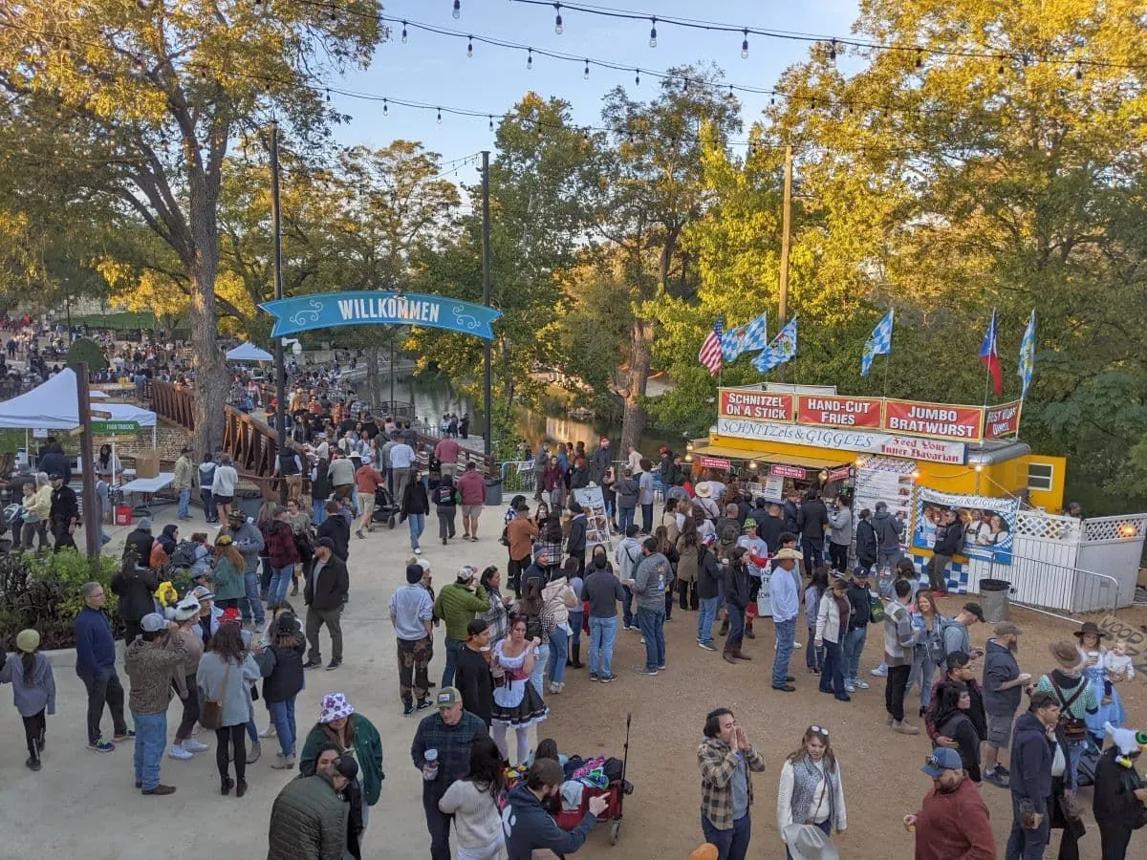
Festivals like Wurstfest in New Braunfels or Oktoberfest in Fredericksburg transform towns into vibrant showcases of German culture. Accordion music fills the air, lederhosen and dirndls make appearances, and entire communities come together.
These gatherings are more than entertainment—they are acts of cultural preservation.
Architecture and Identity
From timber-framed barns in Pennsylvania to limestone homes in Texas, German architectural influence is unmistakable.


Even today, new homes and businesses in these regions often incorporate traditional German design elements—a testament to the enduring appeal of this style.
A Living Legacy Across America
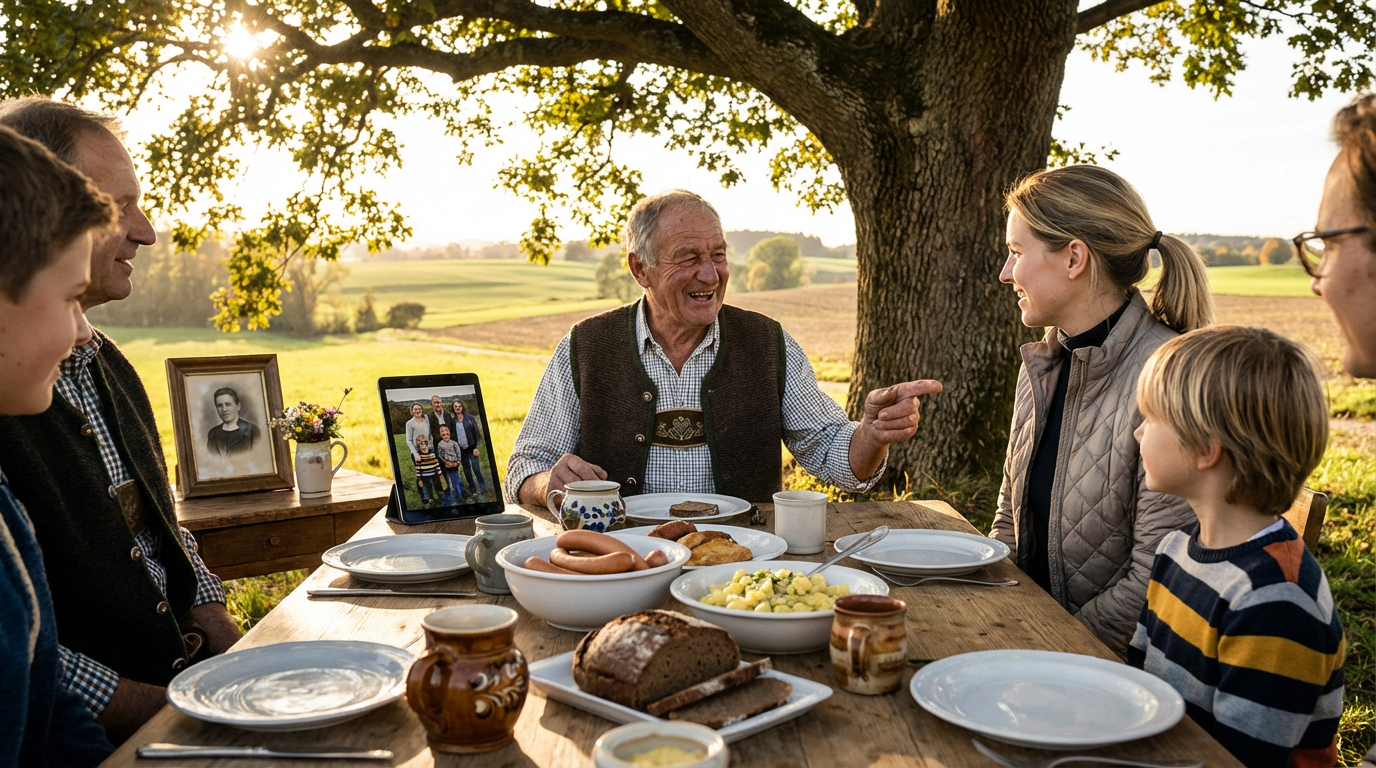
German Heritage in America is not frozen in time—it continues to evolve. Younger generations are rediscovering their roots, learning traditional recipes, attending festivals, and preserving family histories.
Museums, cultural centers, and local organizations spread out in different locations all across the USA play a vital role in keeping these traditions alive. At the same time, modern influences are shaping what it means to be German-American today.

German Influence in America
Key Contributions of German Immigrants:
- 🌾 Advanced farming techniques and crop rotation
- 🍺 Brewing traditions and beer culture
- 🎄 Christmas traditions (trees, markets, ornaments)
- 🎶 Music (polka, brass bands)
- 🏫 Education concepts like kindergarten
- 🥨 Culinary staples (sausages, breads, pastries)
From Roots to Bloom
The journey from Pennsylvania Dutch Country to Texas Hill Country tells a story of resilience, adaptation, and pride.
German immigrants didn’t simply recreate their homeland—they reimagined it. They planted seeds of tradition in new soil, nurtured them through generations, and allowed them to bloom into something uniquely American.
As one festival-goer in Fredericksburg put it:
“It’s not just about where we came from—it’s about what we’ve built here.”
From quiet farmlands to lively festivals, from handcrafted quilts to clinking beer steins, German roots continue to flourish across America—deep, enduring, and always in bloom.